Basement waterproofing is a crucial aspect of home maintenance that often goes overlooked. Many homeowners underestimate the importance of keeping their basements dry, yet this space plays a vital role in the overall health of a house. A damp basement can lead to a myriad of problems, including mold growth, structural damage, and even health issues for the occupants. Understanding basement waterproofing is essential for protecting your investment and ensuring a safe living environment. The significance of waterproofing extends beyond mere aesthetics; it is about preserving the integrity of your home.
Water intrusion can compromise the foundation, leading to costly repairs and decreased property value. Moreover, controlling basement moisture is not just about preventing leaks; it involves creating a barrier against humidity and potential flooding. This is where the concept of vapor barriers comes into play, serving as an essential component in effective waterproofing strategies. As we delve deeper into the topic, we will explore how vapor barriers function within the broader context of basement waterproofing. By understanding their role, homeowners can make informed decisions about their waterproofing solutions, ultimately safeguarding their homes from the damaging effects of moisture.
What Are Vapor Barriers?
A vapor barrier is a crucial component in the realm of basement waterproofing, designed to prevent moisture from penetrating walls and floors.These barriers are typically made from materials that are impermeable to water vapor, effectively creating a shield against humidity and dampness that can lead to mold growth and structural damage.
Types of Vapor Barriers
- Polyethylene Sheets: One of the most common types, these sheets are available in various thicknesses and are often used in residential basements.
- Foil Barriers: Made from aluminum foil, these barriers reflect heat and moisture, making them ideal for energy-efficient homes.
- Spray-On Barriers: These liquid-applied membranes create a seamless barrier that adheres directly to surfaces, providing flexibility in application.
Without an effective vapor barrier, basements can become breeding grounds for mold and mildew, leading to costly repairs and health issues.In summary, understanding what vapor barriers are and their various types is essential for anyone looking to enhance their basement's waterproofing strategy. Selecting the right material not only aids in moisture control but also contributes to a healthier living space.
The Role of Vapor Barriers in Basement Waterproofing
In the realm of basement waterproofing, vapor barriers play a crucial role in safeguarding your home from moisture-related issues. These barriers are typically made from materials such as polyethylene or foil, designed to prevent water vapor from penetrating through walls and floors.How Vapor Barriers Work
- Moisture Control: Vapor barriers act as a shield against moisture that can seep into your basement from the ground or through walls. By blocking this vapor, they help maintain a dry environment.
- Temperature Regulation: They also assist in regulating temperature by preventing warm, moist air from coming into contact with cooler surfaces, which can lead to condensation.
- Installation: Typically installed on the warm side of insulation, vapor barriers are placed between the insulation and the interior space of the basement, ensuring maximum effectiveness.
Benefits of Vapor Barriers
- Prevention of Mold Growth: By keeping moisture levels low, vapor barriers significantly reduce the risk of mold and mildew development, which can pose health risks and damage property.
- Enhanced Structural Integrity: Moisture can weaken building materials over time.
Vapor barriers help protect the structural integrity of your basement by minimizing water damage.
- Improved Air Quality: A dry basement contributes to better indoor air quality, reducing allergens and irritants that can affect respiratory health.
Installation of Vapor Barriers: Best Practices
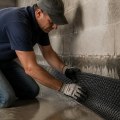
Installing a vapor barrier is a crucial step in basement waterproofing, as it helps prevent moisture from seeping into your basement and causing damage. Here’s a step-by-step guide to ensure a successful installation.- Gather Your Materials: Before starting, make sure you have the necessary materials. You will need:
- Vapor barrier material (typically polyethylene sheeting)
- Utility knife or scissors
- Tape measure
- Construction adhesive or tape
- Stapler (optional)
- Prepare the Area: Clear the basement area where you plan to install the vapor barrier.
Ensure the walls and floor are clean and dry. Remove any debris, dust, or old materials that could interfere with adhesion.
- Measure and Cut: Measure the dimensions of your basement walls and floor. Cut the vapor barrier material to size, allowing for a few extra inches on each side to ensure complete coverage.
- Install the Vapor Barrier: Start by placing the vapor barrier on the floor, extending it up the walls. If you’re working alone, it may help to use construction adhesive or tape to temporarily hold it in place.
For walls, staple or tape the top edge of the barrier to secure it.
- Seal All Edges: Use construction tape to seal all seams and edges of the vapor barrier. This step is vital for preventing moisture from penetrating through gaps.
- Inspect Your Work: Once installed, inspect the entire area for any gaps or areas that may need additional sealing. A thorough inspection ensures maximum effectiveness in your basement waterproofing efforts.
Common Mistakes to Avoid When Using Vapor Barriers
When it comes to basement waterproofing, using vapor barriers effectively is crucial for preventing moisture issues.However, many homeowners make common mistakes that can undermine their efforts. Here are some frequent errors to avoid:
- Improper Installation: One of the most significant mistakes is not installing the vapor barrier correctly. Ensure that the barrier is laid flat without any wrinkles or gaps, as these can allow moisture to seep through.
- Neglecting to Seal Edges: Failing to seal the edges of the vapor barrier can lead to air leaks and moisture intrusion. Use appropriate tape or sealant to secure all seams and edges.
- Using Incompatible Materials: Not all vapor barriers are created equal.
Using materials that are not designed for basement environments can lead to mold growth and deterioration. Always choose a vapor barrier specifically rated for basement use.
- Ignoring Existing Moisture Issues: Installing a vapor barrier over existing moisture problems is a recipe for disaster. Address any leaks or dampness before applying the barrier to ensure long-term effectiveness.
- Overlooking Ventilation: A common misconception is that sealing off a basement completely will prevent moisture. In reality, proper ventilation is essential to allow trapped moisture to escape, preventing mold and mildew growth.
Vapor Barriers vs.
Other Waterproofing MethodsWhen it comes to basement waterproofing, understanding the differences between various methods is crucial for homeowners seeking effective solutions. Among these methods, vapor barriers and waterproofing membranes are two popular options, each with its own set of advantages and applications.
Vapor Barriers
Vapor barriers are typically made from polyethylene or similar materials and are designed to prevent moisture from passing through walls and floors. They are particularly effective in areas where moisture is a concern, such as basements that are prone to humidity. By installing a vapor barrier, homeowners can significantly reduce the risk of mold growth and structural damage caused by excess moisture.Waterproofing Membranes
On the other hand, waterproofing membranes are often applied as a liquid coating or sheet material that creates a waterproof seal on surfaces.These membranes can be used both above and below grade, making them versatile for various construction scenarios. Unlike vapor barriers, which primarily block moisture vapor, waterproofing membranes provide a more comprehensive solution by preventing water intrusion from external sources.
Comparing the Two Methods
- Installation: Vapor barriers are generally easier to install than waterproofing membranes, making them a cost-effective choice for DIY enthusiasts.
- Effectiveness: While vapor barriers excel at controlling humidity, waterproofing membranes offer superior protection against water leaks and flooding.
- Longevity: Waterproofing membranes tend to have a longer lifespan compared to vapor barriers, which may degrade over time if exposed to harsh conditions.
Homeowners should assess their unique situations and consult with professionals to determine the most effective approach for their basement waterproofing needs.
FAQs About Vapor Barriers and Basement Waterproofing
When it comes to basement waterproofing, understanding the role of vapor barriers is crucial. Here are some frequently asked questions that can help clarify their importance:- What is a vapor barrier?
A vapor barrier is a material designed to prevent moisture from passing through walls, floors, and ceilings. In the context of basement waterproofing, it acts as a shield against water vapor that can lead to mold growth and structural damage. - Why are vapor barriers important in basements?
Basements are often prone to moisture due to their location below ground level. A vapor barrier helps maintain a dry environment by blocking moisture from the soil and outside air, which is essential for protecting both the basement and the overall integrity of the home. - Where should vapor barriers be installed?
Vapor barriers should be installed on the warm side of insulation in basement walls and floors.This placement helps prevent condensation from forming within the walls, which can lead to water damage over time.
- Can I install a vapor barrier myself?
While some homeowners may choose to install a vapor barrier themselves, it is often recommended to consult with professionals. Proper installation is key to ensuring effectiveness, as any gaps or misalignments can compromise the barrier's function. - How do I know if my basement needs a vapor barrier?
If you notice signs of moisture such as dampness, mold growth, or musty odors in your basement, it may be time to consider installing a vapor barrier as part of your basement waterproofing strategy.
Conclusion: The Essential Role of Vapor Barriers in Effective Basement Waterproofing
In summary, the role of vapor barriers in basement waterproofing cannot be overstated. These essential components serve as a first line of defense against moisture intrusion, which can lead to a host of problems including mold growth, structural damage, and compromised indoor air quality. By effectively blocking moisture from penetrating the walls and floors of your basement, vapor barriers help maintain a dry and healthy environment.Throughout this article, we have explored various aspects of basement waterproofing and highlighted how vapor barriers contribute to the overall effectiveness of these systems.Here are some key takeaways:
- Moisture Control: Vapor barriers significantly reduce the amount of moisture that enters your basement, thereby preventing potential damage.
- Mold Prevention: By keeping humidity levels low, these barriers help inhibit mold growth, which can pose serious health risks.
- Energy Efficiency: A well-installed vapor barrier can improve energy efficiency by reducing the workload on heating and cooling systems.
- Longevity of Structures: Protecting your basement from moisture helps extend the lifespan of your home’s foundation and other structural elements.