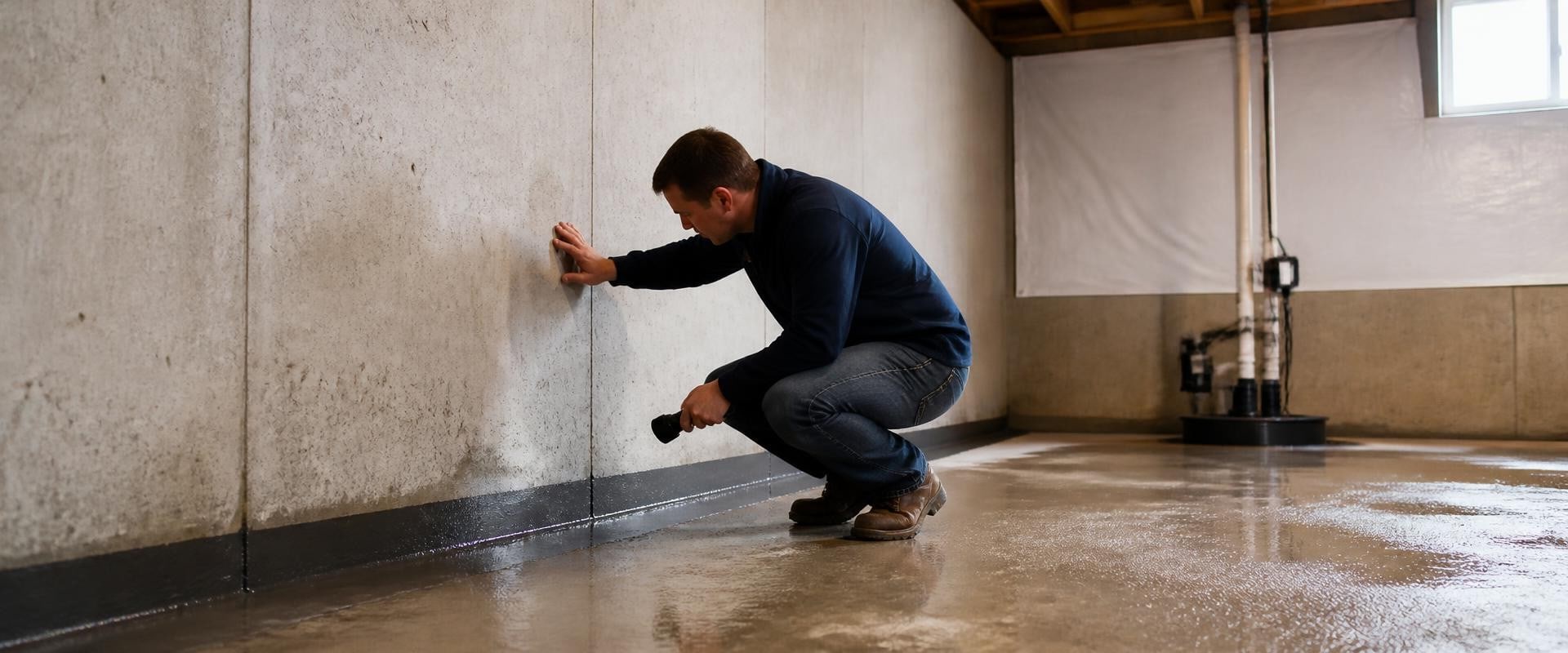
Basement waterproofing is a crucial aspect of home maintenance that often goes overlooked until problems arise. It involves a series of techniques and materials designed to prevent water from entering the basement, which can lead to significant structural damage and health issues due to mold and mildew. Understanding basement waterproofing is essential for homeowners who want to protect their investment and ensure a safe living environment. The importance of basement waterproofing cannot be overstated. A well-waterproofed basement not only enhances the overall integrity of your home but also increases its resale value.
Water intrusion can compromise the foundation, leading to costly repairs and potential safety hazards. Moreover, a dry basement contributes to better indoor air quality, reducing the risk of respiratory problems associated with damp environments. Common methods of basement waterproofing include interior drainage systems, exterior waterproofing membranes, and sump pump installations. Each method has its own advantages and is suited for different types of water issues. By familiarizing yourself with these techniques, you can make informed decisions about how to effectively manage water in your basement.
This foundational knowledge sets the stage for assessing the effectiveness of your current waterproofing solutions and determining if further action is necessary.
Signs of Effective Basement Waterproofing
Assessing the effectiveness of your basement waterproofing is crucial for maintaining a dry and healthy home environment. Here are some key indicators that suggest successful waterproofing:- No Water Accumulation: One of the most obvious signs of effective basement waterproofing is the absence of water accumulation in your basement. After heavy rain or snowmelt, check for any standing water or damp spots. If your basement remains dry, it’s a strong indicator that your waterproofing measures are working.
- Dry Walls and Floors: Inspect the walls and floors for any signs of moisture or mold.
Effective waterproofing should prevent water from seeping through walls or floors, keeping them dry and free from mold growth.
- Humidity Levels: Use a hygrometer to monitor humidity levels in your basement. Ideally, humidity should be below 60%. Consistently low humidity levels indicate that your basement waterproofing is functioning properly.
- No Musty Odors: A musty smell often indicates moisture presence. If your basement smells fresh and clean, it’s a good sign that your waterproofing efforts are successful.
- Functional Drainage Systems: If you have installed a sump pump or drainage system, ensure they are functioning correctly.
Regularly check for clogs and test the pump to confirm it activates when needed.
Common Problems Indicating Waterproofing Failure
Assessing the effectiveness of your basement waterproofing system is crucial to maintaining a dry and healthy home. If you notice any of the following common problems, it may indicate a failure in your waterproofing efforts.- Water Stains: One of the most obvious signs of waterproofing failure is the presence of water stains on walls or floors. These stains often appear as dark patches and can indicate that moisture is seeping through.
- Mold and Mildew: The growth of mold and mildew in your basement is a clear sign that moisture is present.
Not only does this indicate a failure in waterproofing, but it can also pose health risks to you and your family.
- Musty Odors: A persistent musty smell in your basement often suggests trapped moisture. This odor can be a strong indicator that your basement waterproofing system is not functioning properly.
- Cracks in Walls or Floors: Structural cracks can allow water to enter your basement. If you notice new cracks or if existing ones are widening, it may be time to reassess your waterproofing measures.
- Puddles or Standing Water: Any accumulation of water on the basement floor is a direct sign that your waterproofing system is failing. This could be due to improper drainage or a breach in the waterproof barrier.
Ignoring these signs can lead to more severe problems, including structural damage and increased repair costs. Regular inspections and maintenance of your basement waterproofing system can help prevent these issues from escalating.
Methods to Assess Your Basement Waterproofing Effectiveness
Assessing the effectiveness of your basement waterproofing is crucial to ensure that your home remains dry and protected from water damage. Here are some practical methods to evaluate how well your waterproofing solutions are performing:- Visual Inspections: Regularly inspect your basement for any signs of moisture, such as water stains, mold growth, or peeling paint. Pay close attention to corners, around windows, and near plumbing fixtures.
- Check for Odors: A musty smell in your basement can indicate trapped moisture.
If you notice any unpleasant odors, it may be time to reassess your waterproofing measures.
- Monitor Humidity Levels: Use a hygrometer to measure the humidity levels in your basement. High humidity can lead to mold growth and indicates that your waterproofing may not be effective.
- Water Test: Conduct a simple water test by spraying water on the exterior walls of your basement. If water seeps through the walls or floor within a few hours, it indicates that your waterproofing is compromised.
- Flood Test: For a more thorough assessment, you can perform a flood test. Block off any drainage systems and fill the basement with a few inches of water.
Monitor for leaks over 24 hours. If water appears in areas where it shouldn’t, your waterproofing needs attention.
Professional Assessment: When to Call an Expert
Assessing the effectiveness of your basement waterproofing can sometimes be a daunting task, especially if you are not familiar with the signs of water damage or the intricacies of waterproofing systems.While DIY assessments can provide some insights, there are specific situations where calling in a professional is not just advisable but essential.
When to Hire a Waterproofing Expert
- Persistent Water Issues: If you continue to experience water intrusion despite having waterproofing measures in place, it’s time to consult an expert. They can identify underlying issues that may not be visible to the untrained eye.
- Structural Concerns: If you notice cracks in your foundation or walls, or if your basement shows signs of mold and mildew, these could indicate serious structural problems. A professional can assess the extent of the damage and recommend appropriate solutions.
- Complex Systems: If your basement waterproofing system involves multiple components such as sump pumps, drainage systems, or vapor barriers, a professional assessment can ensure that all elements are functioning correctly and efficiently.
- Insurance Claims: In cases where water damage has occurred and you plan to file an insurance claim, having a professional evaluation can provide necessary documentation and expert testimony to support your case.
Benefits of Expert Evaluation
- Thorough Inspection: Professionals have the training and tools to conduct a comprehensive inspection, identifying potential issues that may go unnoticed.
- Customized Solutions: An expert can tailor recommendations based on your specific situation, ensuring that the solutions implemented are effective for your unique basement conditions.
- Long-Term Peace of Mind: Investing in a professional assessment can save you money in the long run by preventing future water damage and costly repairs.
Cost Considerations for Basement Waterproofing Assessment
When it comes to assessing the effectiveness of basement waterproofing, understanding the associated costs is crucial for homeowners.Evaluating your waterproofing system can help you identify potential issues before they escalate, but it’s essential to plan your budget accordingly.
Cost of Assessing Basement Waterproofing
- The cost of a professional assessment typically ranges from $200 to $500, depending on the size of your basement and the complexity of the waterproofing system.
- Some companies may offer free inspections as part of their service, but be cautious and ensure that you are not being upsold unnecessary services.
- If you choose to conduct a DIY assessment, you may only incur costs for tools and materials, which can be significantly lower, but this approach requires a good understanding of waterproofing principles.
Budgeting for Waterproofing Evaluation
When planning your budget for a basement waterproofing evaluation, consider the following:
- Inspection Fees: Allocate funds for professional inspections if you are not comfortable assessing the situation yourself.
- Repair Costs: If issues are identified during the assessment, be prepared for potential repair costs. These can vary widely based on the extent of the damage and the solutions required.
- Preventative Measures: Investing in preventative measures, such as sump pumps or drainage systems, can save you money in the long run by avoiding more extensive repairs.
Frequently Asked Questions About Basement Waterproofing Assessment
Assessing the effectiveness of your basement waterproofing can be crucial in ensuring your home remains dry and protected from water damage. Here are some frequently asked questions that can help clarify the assessment process:- What signs indicate that my basement waterproofing is effective?
Look for a dry basement, especially after heavy rainfall.If you notice no water pooling, damp spots, or mold growth, it’s a good indication that your waterproofing measures are working.
- How can I test for leaks after waterproofing?
After a rainstorm, inspect your basement for any signs of moisture. You can also conduct a simple test by placing a piece of plastic on the floor and sealing the edges with tape. If condensation forms underneath, it may indicate moisture issues. - What should I do if I find water in my basement?
If you discover water despite having waterproofed your basement, it may be time to reassess your waterproofing methods. Check for cracks in walls or floors and consider consulting a professional for further evaluation. - How often should I assess my basement waterproofing?
It’s advisable to conduct an assessment at least once a year, especially before the rainy season.Regular checks can help catch potential issues early.
Conclusion: Ensuring Your Basement Remains Dry and Safe
In conclusion, assessing the effectiveness of your basement waterproofing is crucial for ensuring a safe and dry living environment. Regular evaluations not only help identify potential issues before they escalate but also provide peace of mind that your home is protected against water damage. To effectively assess your basement waterproofing, consider the following key points:- Visual Inspections: Regularly check for signs of moisture, mold, or water stains on walls and floors. These indicators can reveal weaknesses in your waterproofing system.
- Monitor Humidity Levels: Use a hygrometer to keep track of humidity levels in your basement. Ideally, humidity should be below 60% to prevent mold growth.
- Check Drainage Systems: Ensure that gutters, downspouts, and drainage systems are functioning properly.
Clogged or damaged systems can lead to water pooling around your foundation.
- Conduct Water Tests: After heavy rainfall, inspect your basement for leaks or dampness. This can help you determine if your waterproofing measures are holding up under pressure.