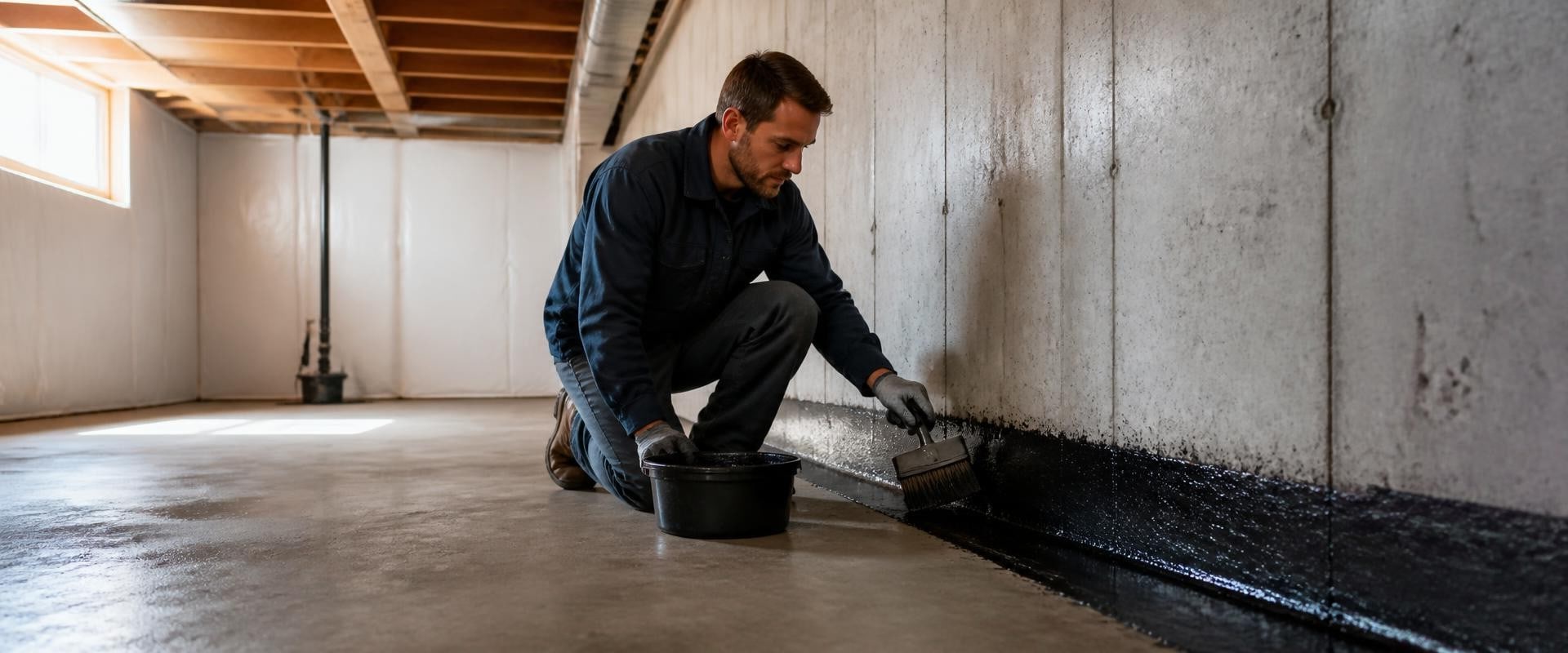
Basement waterproofing is a crucial process designed to prevent water from entering the basement of a home. This method not only protects the structural integrity of the building but also plays a significant role in maintaining a healthy indoor environment. By implementing effective basement waterproofing techniques, homeowners can significantly reduce the risk of moisture-related issues, including mold growth, which can pose serious health risks. The primary purpose of basement waterproofing is to create a barrier against water intrusion. This can be achieved through various methods, such as exterior drainage systems, interior sealants, and sump pumps.
Each technique serves to redirect or manage water flow, ensuring that basements remain dry and usable. Understanding these methods is essential for homeowners looking to protect their property from the damaging effects of water. In addition to preventing water damage, the benefits of basement waterproofing extend beyond mere structural protection. A dry basement contributes to improved air quality throughout the home, reducing allergens and irritants that can lead to respiratory issues. Furthermore, a well-waterproofed basement can enhance the overall value of a property, making it more appealing to potential buyers.
By investing in basement waterproofing, homeowners not only safeguard their investment but also promote a healthier living environment for their families.
The Connection Between Moisture and Mold Growth
Understanding the relationship between moisture and mold growth is crucial for maintaining a healthy living environment, especially in areas like basements that are prone to dampness. Mold thrives in conditions where moisture levels are high, making it essential to control humidity to prevent its proliferation.Moisture
acts as a catalyst for mold spores, which are present in the air and can settle on various surfaces. When these spores land in a damp environment, they can quickly begin to grow and multiply. The ideal conditions for mold growth typically include:- High humidity levels: Relative humidity above 60% creates an environment conducive to mold.
- Poor ventilation: Stagnant air allows moisture to accumulate, increasing the likelihood of mold.
- Organic materials: Mold feeds on materials like wood, drywall, and fabric, which are often found in basements.
This can include sealing cracks in walls and floors, installing sump pumps, and ensuring proper drainage around the foundation. By reducing moisture levels, you not only inhibit mold growth but also create a healthier living space.In summary, controlling moisture is key to preventing mold. Regular monitoring of humidity levels and implementing effective basement waterproofing measures can significantly reduce the risk of mold infestations, ensuring a safer and more comfortable home environment.
How Basement Waterproofing Works
Understanding how basement waterproofing works is essential for homeowners looking to protect their property from water damage and mold growth. There are several methods available, each designed to address specific issues related to water intrusion.Interior Waterproofing Methods
Interior waterproofing focuses on preventing water from entering the basement through the walls and floor.Common techniques include:
- Sealants: These are applied to walls and floors to create a barrier against moisture. They are particularly effective for minor leaks and dampness.
- Interior Drainage Systems: This method involves installing a drainage system along the perimeter of the basement floor. It collects water that seeps in and directs it to a sump pump.
- Sump Pumps: A sump pump is installed in a pit at the lowest point of the basement. It pumps out any accumulated water, preventing flooding and reducing humidity levels.
Exterior Waterproofing Methods
Exterior waterproofing aims to prevent water from reaching the foundation in the first place.Key methods include:
- Excavation: This involves digging around the foundation to apply waterproof membranes directly to the exterior walls, creating a strong barrier against moisture.
- French Drains: These are trenches filled with gravel and a perforated pipe that redirects surface water away from the foundation, reducing hydrostatic pressure.
- Grading: Proper grading of the landscape around your home ensures that water flows away from the foundation, minimizing the risk of water pooling near your basement.
Benefits of Basement Waterproofing for Mold Prevention
Basement waterproofing is a crucial step in maintaining a healthy home environment, particularly when it comes to mold prevention. Mold thrives in damp, humid conditions, making basements an ideal breeding ground if not properly managed. Here are some key benefits of basement waterproofing that directly contribute to mold prevention:- Reduces Moisture Levels: By sealing cracks and installing drainage systems, basement waterproofing significantly lowers moisture levels in the basement.
This reduction in humidity creates an inhospitable environment for mold spores.
- Prevents Water Intrusion: Waterproofing techniques such as exterior drainage systems and sump pumps effectively divert water away from the foundation. This proactive approach prevents water from seeping into the basement, thereby minimizing the risk of mold growth.
- Improves Air Quality: A dry basement contributes to better overall air quality in your home. Mold spores can travel through the air, and by keeping your basement dry, you reduce the likelihood of these spores circulating throughout your living spaces.
- Protects Structural Integrity: Mold can weaken the structural components of your home. By investing in basement waterproofing, you not only prevent mold but also protect your home’s foundation and walls from water damage.
The costs associated with mold remediation can be substantial, not to mention the potential health risks posed by mold exposure. By taking preventive measures through basement waterproofing, you can avoid these expenses and ensure a safer living environment.Ultimately, the connection between basement waterproofing and mold prevention is clear. By addressing moisture issues at their source, homeowners can effectively safeguard their basements against mold growth and maintain a healthier home overall.
Signs You Need Basement Waterproofing
Identifying the need for basement waterproofing early can save homeowners from extensive damage and costly repairs. Here are some common signs that indicate your basement may require immediate attention:- Visible Water Stains: Look for dark stains on walls or floors, which can indicate previous water intrusion.
These stains often appear in a pattern that suggests water has pooled in specific areas.
- Mold Growth: If you notice mold or mildew in your basement, it’s a clear sign of excess moisture. Mold thrives in damp environments, and its presence indicates that waterproofing measures may be necessary to prevent further growth.
- Musty Odors: A persistent musty smell is often a telltale sign of moisture problems. If your basement has an unpleasant odor, it could mean that water is seeping in, creating an environment conducive to mold.
- Dampness or Wet Floors: If you feel dampness underfoot or see puddles of water, it’s crucial to address these issues promptly. Wet floors can lead to structural damage and promote mold growth.
- Cracks in Walls or Floors: Small cracks can allow water to seep into your basement.
Inspect your walls and floors for any signs of cracking, as this can be a significant indicator that waterproofing is needed.
Frequently Asked Questions About Basement Waterproofing and Mold Prevention
When considering basement waterproofing, many homeowners have questions about its role in preventing mold growth. Here are some frequently asked questions that can help clarify this important topic.How does basement waterproofing prevent mold?
Basement waterproofing works by creating a barrier against moisture, which is a primary contributor to mold growth.By sealing cracks, installing drainage systems, and using vapor barriers, waterproofing helps maintain a dry environment that is less conducive to mold spores.
What are the signs that I need basement waterproofing?
- Visible water stains on walls or floors
- Mold or mildew growth
- Musty odors
- High humidity levels in the basement
Is basement waterproofing a one-time solution?
No, while basement waterproofing can significantly reduce the risk of mold, it is not a one-time fix. Regular maintenance and inspections are essential to ensure that the waterproofing measures remain effective over time. Factors such as heavy rainfall or changes in landscaping can impact the effectiveness of your waterproofing system.Can I prevent mold without waterproofing?
While there are other methods to control mold, such as using dehumidifiers and improving ventilation, these solutions may not be as effective without proper basement waterproofing. Addressing moisture at its source is crucial for long-term mold prevention.What should I look for in a waterproofing contractor?
- Experience and expertise in basement waterproofing
- Positive customer reviews and testimonials
- A comprehensive warranty on their work
- Transparent pricing and detailed estimates
Conclusion: The Importance of Basement Waterproofing in Mold Prevention
In conclusion, basement waterproofing is not just a home improvement project; it is a crucial step in safeguarding your living environment from the detrimental effects of mold.Throughout this article, we have explored how moisture accumulation in basements creates an ideal breeding ground for mold spores, which can lead to serious health issues and structural damage.By implementing effective basement waterproofing solutions, homeowners can significantly reduce the risk of mold growth. Here are some key takeaways:
- Moisture Control: Proper waterproofing techniques, such as sealing cracks and installing drainage systems, help keep moisture levels in check.
- Improved Air Quality: A dry basement contributes to better indoor air quality, reducing allergens and irritants associated with mold.
- Long-Term Savings: Investing in basement waterproofing can save homeowners from costly repairs and health-related expenses in the future.