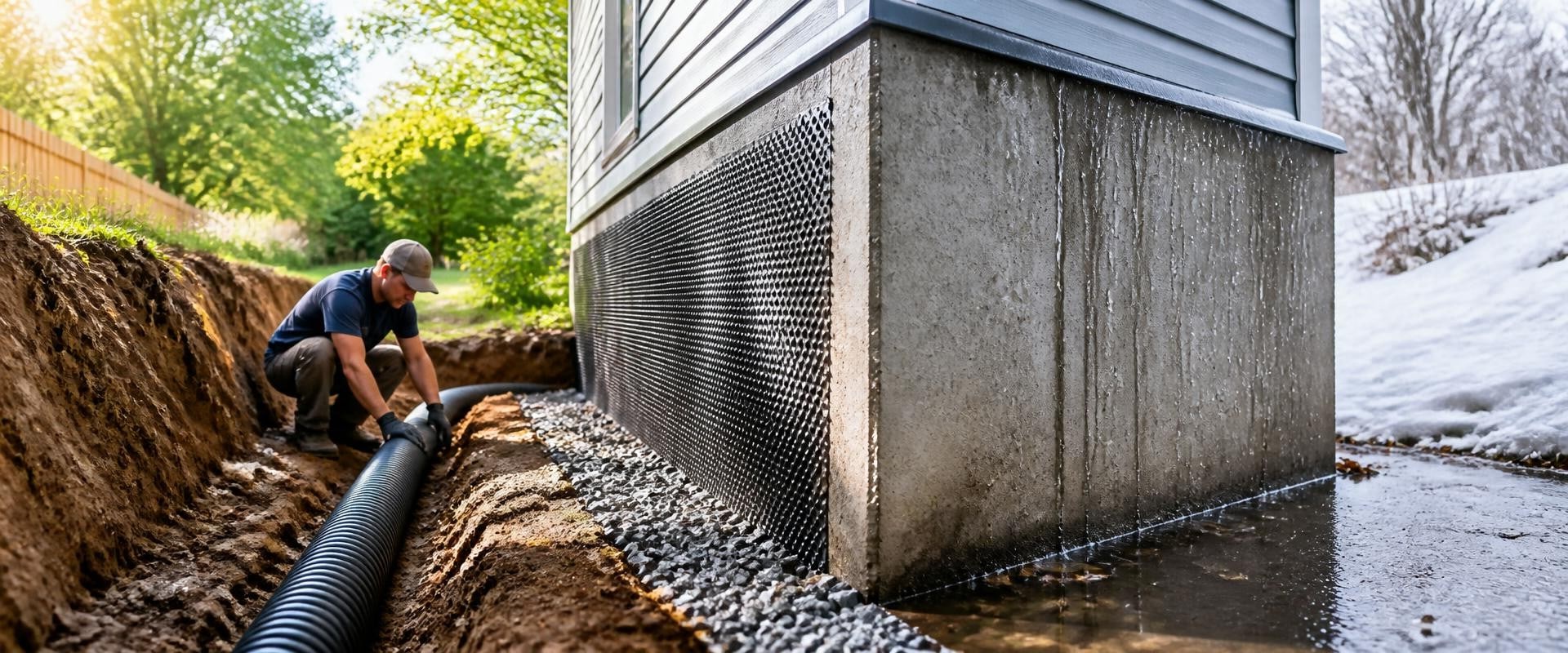
Basement waterproofing is a crucial aspect of home maintenance that often goes overlooked. It involves a series of techniques and materials designed to prevent water from entering the basement, thereby protecting the structural integrity of your home and ensuring a healthy living environment. With the potential for water damage leading to costly repairs and health hazards such as mold growth, understanding basement waterproofing is essential for any homeowner. The importance of waterproofing cannot be overstated. A well-waterproofed basement not only safeguards your belongings but also enhances the overall value of your property.
Water intrusion can lead to significant issues, including weakened foundations, rotting wood, and compromised electrical systems. By investing in effective waterproofing solutions, you can mitigate these risks and create a dry, usable space that can serve various purposes, from storage to additional living areas. Moreover, the benefits of basement waterproofing extend beyond mere protection against water damage. It contributes to improved indoor air quality by reducing humidity levels and preventing the growth of mold and mildew. This is particularly important for families with allergies or respiratory issues.
In essence, understanding what basement waterproofing entails is the first step toward ensuring your home remains a safe and comfortable haven for you and your loved ones.
Factors Influencing the Best Time for Waterproofing
When considering basement waterproofing, several factors can significantly influence the best time to undertake this essential home improvement project. Understanding these factors can help homeowners make informed decisions that ensure effective waterproofing and long-lasting results.- Climate: The overall climate of your region plays a crucial role in determining the optimal time for waterproofing. In areas with harsh winters, it is advisable to complete waterproofing before the ground freezes. Conversely, in warmer climates, the rainy season may dictate when to waterproof, as excessive moisture can hinder the application of waterproofing materials.
- Weather Patterns: Local weather patterns should also be taken into account.
For instance, if your area experiences heavy rainfall during certain months, scheduling waterproofing before this period can prevent water damage and ensure that the materials cure properly. Ideally, aim for a dry spell when temperatures are moderate.
- Soil Conditions: The condition of the soil surrounding your home can affect the timing of basement waterproofing. Wet or saturated soil can lead to increased hydrostatic pressure against basement walls, making it less effective to apply waterproofing solutions. It’s best to wait until the soil has dried out sufficiently.
- Local Regulations: Be aware of any local regulations or seasonal restrictions that may impact construction activities.
Some municipalities may have specific guidelines regarding when certain types of work can be performed, especially in relation to environmental protection.
Spring: A Popular Choice for Waterproofing
Spring is often regarded as a prime season for basement waterproofing, and for good reason. As temperatures begin to rise and the snow melts, homeowners are presented with a unique opportunity to address potential moisture issues before the summer heat sets in.Advantages of Spring Waterproofing
- Milder Temperatures: Spring typically offers moderate temperatures, making it comfortable for contractors to work on waterproofing projects. This can lead to more efficient application of waterproofing materials.
- Lower Humidity: Compared to the summer months, spring often experiences lower humidity levels.
This is crucial because high humidity can hinder the effectiveness of waterproofing solutions, making spring an ideal time for application.
- Prevention of Water Damage: By waterproofing your basement in spring, you can proactively prevent water damage that may occur during heavy spring rains or melting snow. This foresight can save homeowners from costly repairs later on.
By investing in this essential home maintenance task during spring, you can enjoy a drier, safer basement throughout the year.
Summer: Pros and Cons of Waterproofing in Hot Weather
When considering basement waterproofing during the summer months, it's essential to weigh the pros and cons associated with hot weather conditions. Summer can present unique challenges and advantages that may influence the effectiveness of your waterproofing efforts.Pros of Summer Waterproofing
- Dry Conditions: Summer often brings drier weather, which can be beneficial for waterproofing projects. With less rainfall, the ground is less saturated, allowing for easier excavation and application of waterproofing materials.
- Faster Drying Times: The heat can accelerate the drying process of sealants and coatings, ensuring that your basement is sealed more quickly. This can lead to a shorter project timeline and less disruption to your home.
- Accessibility: Many homeowners find it easier to schedule contractors during the summer months when they are less likely to be dealing with winter weather delays.
Cons of Summer Waterproofing
- Extreme Heat: High temperatures can make working conditions uncomfortable for contractors and may affect the application of certain materials.
Some products may not adhere properly if applied in extreme heat.
- Potential Rainfall: While summer is generally drier, sudden thunderstorms can occur, leading to unexpected delays or complications during the waterproofing process. It's crucial to monitor weather forecasts closely.
- Humidity Levels: In some regions, summer humidity can be high, which may impact the effectiveness of certain waterproofing solutions. Moisture in the air can hinder drying times and lead to potential issues with mold growth if not managed properly.
Fall: Preparing for Winter with Waterproofing
As the leaves begin to change and temperatures start to drop, fall waterproofing becomes an essential task for homeowners looking to protect their basements from the harsh winter months ahead.This season offers a unique opportunity to address potential water intrusion issues before they escalate into serious problems.One of the primary benefits of fall waterproofing is that it allows homeowners to identify and repair any cracks or gaps in their basement walls and foundation. These small openings can become significant entry points for water during winter, especially when snow melts and ice forms. By sealing these vulnerabilities in the fall, you can prevent costly damage and mold growth that often accompanies moisture accumulation.Additionally, fall is typically a drier season, making it easier to assess your basement's drainage system. Ensuring that gutters are clear and downspouts direct water away from the foundation is crucial.
This proactive approach not only protects your basement but also enhances the overall integrity of your home.Moreover, preparing your basement for winter involves more than just sealing cracks. Consider implementing a comprehensive basement waterproofing strategy that includes:
- Installing a sump pump: This device can help manage excess water during heavy rains or rapid snowmelt.
- Applying waterproof coatings: These can provide an additional layer of protection against moisture penetration.
- Insulating pipes: Preventing freezing pipes is crucial; insulated pipes reduce the risk of bursts that can lead to flooding.
Winter: Challenges of Waterproofing in Cold Weather
Winter presents unique challenges for basement waterproofing, primarily due to the harsh conditions that can impede effective work. Freezing temperatures can cause the ground to harden, making it difficult to excavate and access the foundation of your home.This can delay necessary repairs and waterproofing measures, leading to potential water damage if not addressed promptly.Additionally, the presence of snow and ice can complicate the waterproofing process. When snow melts, it can lead to increased water runoff, which may overwhelm existing drainage systems. If your basement is not adequately waterproofed before winter, you risk facing significant issues when the thaw occurs.
Challenges of Winter Waterproofing
- Temperature Fluctuations: Rapid changes in temperature can cause materials used in waterproofing to contract and expand, potentially leading to cracks or gaps that allow water infiltration.
- Ground Conditions: Frozen ground can prevent proper installation of drainage systems or sealants, which are crucial for effective waterproofing.
- Moisture Levels: High humidity levels combined with cold temperatures can create condensation issues within the basement, further complicating waterproofing efforts.
Additionally, using specialized products designed for cold weather can enhance the effectiveness of your waterproofing efforts.In conclusion, while winter may not be the ideal time for basement waterproofing, understanding the challenges it presents can help homeowners make informed decisions. Proper planning and timing are essential to ensure that your basement remains dry and protected throughout the colder months.
Signs Your Basement Needs Waterproofing Regardless of Season
Identifying the right time for basement waterproofing can be challenging, but certain signs indicate that your basement requires attention regardless of the season. Recognizing these indicators early can save you from more extensive damage and costly repairs down the line.- Visible Water Stains: One of the most obvious signs of a problem is the presence of water stains on walls or floors. These stains often appear as dark patches and indicate that moisture is seeping through.
- Mold and Mildew: If you notice a musty smell or see mold growth in your basement, it’s a clear sign that moisture is present.
Mold thrives in damp environments, and its presence can lead to health issues.
- Cracks in Walls or Floors: Structural cracks can allow water to enter your basement. Pay attention to any new cracks or widening existing ones, as they may indicate shifting soil or water pressure.
- Increased Humidity Levels: A damp basement often has higher humidity levels. If you find that your basement feels unusually humid, it may be time to consider waterproofing solutions.
- Puddles or Standing Water: Any accumulation of water on the floor is a direct sign that your basement is not adequately protected against moisture intrusion.
If you observe any of these symptoms, it’s advisable to consult with a professional for an assessment and potential basement waterproofing solutions.
Frequently Asked Questions About Basement Waterproofing Timing
When considering basement waterproofing, timing can significantly impact the effectiveness of the project. Here are some frequently asked questions regarding the best time to undertake this essential home improvement task.What is the best season for basement waterproofing?
The ideal season for basement waterproofing is typically late spring to early fall. During these months, the weather is generally dry and mild, allowing for optimal conditions for both interior and exterior waterproofing methods. This timeframe minimizes the risk of rain or snow, which can complicate the waterproofing process.Can I waterproof my basement in winter?
While it is possible to perform basement waterproofing in winter, it comes with challenges.Cold temperatures can affect the curing process of certain materials, leading to potential issues down the line. If you must waterproof during winter, ensure that you use products specifically designed for low-temperature applications.
How does rainfall affect basement waterproofing?
Heavy rainfall can saturate the ground around your home, increasing hydrostatic pressure against your basement walls. This pressure can lead to leaks and water intrusion if your basement is not properly waterproofed. Therefore, it’s advisable to schedule your basement waterproofing project during a dry spell to ensure that the surrounding soil is not overly saturated.What should I consider before scheduling my waterproofing?
- Soil Conditions: Ensure that the soil around your foundation is dry and stable.
- Weather Forecast: Check long-term weather forecasts to avoid unexpected rain.
- Contractor Availability: Schedule your project when contractors are less busy, often in late summer or early fall.
Conclusion: Finding Your Ideal Time for Basement Waterproofing
In conclusion, determining the best time of year for basement waterproofing is crucial for ensuring the longevity and effectiveness of your efforts.Throughout this article, we have explored various factors that influence the timing of basement waterproofing, including weather conditions, seasonal trends, and the specific needs of your home. One of the key takeaways is that spring and early summer are often ideal for basement waterproofing. During these months, the ground is typically thawed, allowing for easier access to foundation walls and drainage systems. Additionally, addressing any potential issues before the heavy rains of late summer and fall can prevent costly damage. However, it’s also important to consider your local climate. In regions with harsh winters, late summer or early fall may be more suitable to ensure that any waterproofing measures are fully set before freezing temperatures arrive.
Homeowners should also assess their unique situations, such as existing moisture problems or recent flooding incidents, which may necessitate immediate action regardless of the season. Ultimately, the right timing for basement waterproofing can make a significant difference in protecting your home from water damage. By planning ahead and choosing a time that aligns with both environmental conditions and personal circumstances, you can safeguard your basement effectively. Remember to consult with professionals who can provide tailored advice based on your specific needs and local conditions. In summary, whether you choose to waterproof your basement in spring or fall, being proactive and informed will lead to better outcomes and a drier, healthier living space.