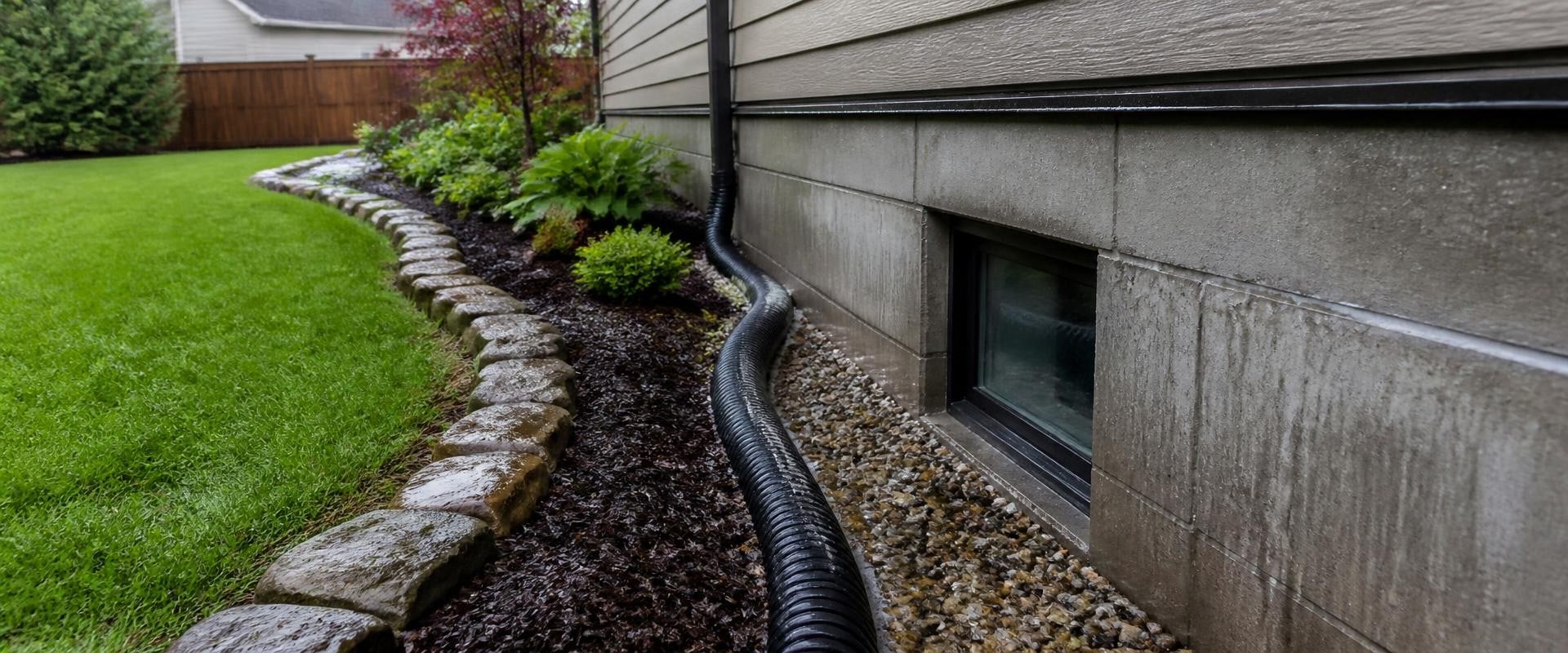
Basement waterproofing is a crucial aspect of home maintenance that often goes unnoticed until problems arise. It involves a series of techniques and materials designed to prevent water from entering the basement, thereby protecting the structural integrity of the home.
Water damage
can lead to significant issues, including mold growth, wood rot, and even foundation problems, making it essential for homeowners to understand the importance of effective waterproofing solutions. At its core, basement waterproofing serves as a barrier against moisture intrusion. This process can include various methods such as installing drainage systems, applying sealants, and ensuring proper grading around the property.By implementing these strategies, homeowners can safeguard their basements from the damaging effects of water infiltration, which can compromise not only the basement itself but also the overall health of the home. The significance of basement waterproofing extends beyond mere prevention; it plays a vital role in maintaining a safe and healthy living environment. A dry basement contributes to better air quality throughout the home and reduces the risk of pest infestations. Understanding how landscaping interacts with basement waterproofing is essential for homeowners looking to enhance their property’s defenses against water damage. Proper landscaping can direct water away from the foundation, complementing waterproofing efforts and ensuring long-term protection.
The Relationship Between Landscaping and Water Drainage
Landscaping plays a crucial role in managing water drainage around your home, which directly impacts basement waterproofing.Properly designed landscapes can effectively redirect water away from your foundation, while poor landscaping choices can lead to water pooling and increased moisture levels in your basement.
Grading
is one of the most significant factors in ensuring effective drainage. The ground should slope away from the foundation at a minimum of 6 inches over the first 10 feet. This grading helps prevent water from accumulating near the basement walls, reducing the risk of leaks and moisture intrusion.In addition to grading, plant selection can also influence drainage. Deep-rooted plants and trees can help absorb excess water, while shallow-rooted plants may not provide the same benefits.
Consider incorporating native plants that are well-adapted to your local climate and soil conditions, as they typically require less water and can improve soil structure.
Hardscaping elements
, such as patios, walkways, and retaining walls, can either enhance or hinder drainage. For instance, permeable pavers allow water to seep through and reduce runoff, while solid surfaces can create barriers that direct water toward your foundation. When designing hardscaping features, it’s essential to consider their placement and materials to promote effective drainage.To summarize, thoughtful landscaping choices—such as proper grading, suitable plant selection, and strategic hardscaping—are vital for maintaining effective water drainage around your home. By prioritizing these elements, you can significantly enhance your basement waterproofing efforts and protect your home from potential water damage.
Common Landscaping Mistakes That Compromise Basement Waterproofing
Landscaping plays a crucial role in maintaining the integrity of your home’s basement waterproofing.However, many homeowners unknowingly make common landscaping mistakes that can lead to serious moisture issues in their basements. Here are some frequent errors to avoid:
- Improper Grading: One of the most significant mistakes is failing to grade the landscape away from the foundation. If the ground slopes towards your home, rainwater will pool around the foundation, increasing the risk of leaks and water intrusion.
- Neglecting Gutters and Downspouts: Clogged gutters can overflow, directing water towards your basement. Ensure that gutters are clean and that downspouts extend at least 5-10 feet away from the foundation to prevent water accumulation.
- Planting Trees Too Close: While trees can enhance your landscape, planting them too close to your home can lead to root systems that disrupt drainage and even damage foundation walls.
Opt for plants that are appropriate for your space.
- Using Impermeable Surfaces: Paving driveways or patios with impermeable materials can prevent water from being absorbed into the ground. Consider using permeable pavers or gravel to allow for better drainage.
- Ignoring Soil Type: Different soil types have varying drainage capabilities. Clay soils, for example, retain water and can exacerbate basement moisture problems. Amending soil with organic matter can improve drainage.
By avoiding these common landscaping errors, you can significantly enhance your basement waterproofing efforts and maintain a dry, healthy living space.
Effective Landscaping Strategies for Improved Basement Waterproofing
Landscaping plays a crucial role in basement waterproofing, as it can significantly influence how water drains away from your home. Implementing effective landscaping strategies can help mitigate moisture issues and protect your basement from water damage.1.Plant Selection Choosing the right plants is essential for effective landscaping aimed at waterproofing. Opt for deep-rooted plants and trees that can absorb excess moisture from the soil. Native plants are often more resilient and require less water, making them an excellent choice for maintaining soil stability.2.Soil Management The type of soil around your home can greatly affect drainage.Incorporating organic matter into the soil can improve its structure and drainage capabilities. Consider using loamy soil, which retains moisture without becoming overly saturated. Additionally, avoid compacting the soil, as this can lead to poor drainage and increased water pooling.3.Grading and Sloping Ensure that the landscape slopes away from your foundation. A slope of at least 6 inches over the first 10 feet is recommended to direct water away from your basement.
This grading helps prevent water from pooling near the foundation, reducing the risk of leaks.4.Drainage Systems Incorporating proper drainage systems is vital for effective basement waterproofing. Install French drains or surface drains to channel water away from your home. Rain gardens can also be beneficial, as they absorb excess rainwater and reduce runoff.5.Mulching Using mulch around plants not only conserves moisture but also helps prevent soil erosion. Organic mulches, such as wood chips or straw, can improve soil health while providing a barrier against heavy rainfall. By implementing these landscaping strategies, homeowners can significantly enhance their basement waterproofing efforts, ensuring a dry and safe living environment.
The Role of Drainage Systems in Landscaping and Waterproofing
Effective basement waterproofing relies heavily on the integration of proper drainage systems within your landscaping.These systems are designed to manage water flow and prevent moisture from seeping into your basement, which can lead to significant structural damage and mold growth.There are several types of drainage systems that can be utilized:
- French Drains: These are trenches filled with gravel or rock that redirect surface water away from your home. A perforated pipe at the bottom collects water and channels it away, making them highly effective in preventing water accumulation around the foundation.
- Sump Pumps: Installed in the lowest part of your basement, sump pumps actively remove water that has accumulated. They are particularly useful in areas prone to flooding or heavy rainfall, ensuring that any water intrusion is quickly dealt with.
- Surface Drains: These drains are placed at ground level to capture rainwater and direct it away from your home. They can be integrated into patios, driveways, or landscaped areas to effectively manage runoff.
For instance, grading the landscape away from the foundation can enhance the effectiveness of these systems by ensuring that water flows away from your home rather than towards it. Additionally, maintaining gutters and downspouts is crucial; they should direct water at least six feet away from the foundation to minimize the risk of basement flooding.In summary, integrating effective drainage systems into your landscaping not only enhances the aesthetic appeal of your property but also plays a vital role in safeguarding your basement against water intrusion. By choosing the right combination of French drains, sump pumps, and surface drains, you can significantly improve your home's waterproofing capabilities.
Landscaping Maintenance for Long-Term Basement Protection
Maintaining your landscape is crucial for ensuring the long-term effectiveness of basement waterproofing. A well-kept yard not only enhances your home’s curb appeal but also plays a significant role in directing water away from your foundation.Here are some essential landscaping maintenance tasks to consider:
- Regularly Inspect Gutters and Downspouts: Ensure that gutters are free of debris and downspouts direct water at least 5-10 feet away from your foundation.
- Grade Your Landscape: The ground should slope away from your home. A slope of at least 6 inches over the first 10 feet is ideal to prevent water pooling near the basement.
- Maintain Vegetation: Trim back shrubs and trees that are too close to the foundation. Roots can penetrate and compromise waterproofing systems, while overgrown foliage can trap moisture.
- Check for Erosion: Regularly inspect areas around your home for signs of erosion. If you notice any, consider adding soil or landscaping features like retaining walls to stabilize the area.
- Monitor Irrigation Systems: Ensure that sprinkler systems do not oversaturate the soil near your foundation.
Adjust timers and spray patterns as necessary.
- Seal Cracks and Gaps: Inspect walkways, patios, and driveways for cracks that could allow water to seep into the ground near your basement. Seal these gaps promptly.
FAQs About Landscaping and Basement Waterproofing
When it comes to basement waterproofing, many homeowners have questions about how their landscaping choices can impact the effectiveness of their waterproofing efforts. Here are some frequently asked questions that address this intersection:- How can landscaping affect basement waterproofing?
Landscaping can significantly influence water drainage around your home.Proper grading and the placement of plants can direct water away from the foundation, reducing the risk of moisture infiltration into the basement.
- What landscaping features should I avoid?
Avoid planting large trees or shrubs too close to your foundation, as their roots can disrupt drainage systems and lead to water accumulation. Additionally, features like ponds or decorative water elements should be positioned away from the house. - Can I use mulch around my foundation?
While mulch can help retain moisture for plants, it can also trap water against your foundation if not managed properly. Ensure that mulch is kept at least a few inches away from the foundation to promote proper drainage. - Is it necessary to install a drainage system if I have landscaping?
In many cases, yes. A well-designed drainage system, such as French drains or sump pumps, can complement your landscaping by ensuring that excess water is effectively diverted away from your basement. - How often should I assess my landscaping for waterproofing effectiveness?
Regular assessments, ideally at least once a year or after heavy rainfall, can help you identify any issues with drainage or plant placement that may affect your basement waterproofing.
Conclusion: The Importance of Thoughtful Landscaping for Basement Health
In conclusion, the relationship between landscaping and basement waterproofing is crucial for maintaining a dry and healthy home environment.As we have explored, thoughtful landscaping can significantly influence how water drains away from your foundation, thereby reducing the risk of moisture intrusion into your basement. Key strategies include:
- Grading: Ensuring that the ground slopes away from your home is essential. A proper grade directs rainwater away from the foundation, minimizing the chances of water pooling near basement walls.
- Drainage Systems: Incorporating features such as French drains or swales can effectively channel excess water away from your property. These systems work in tandem with your landscaping to enhance overall drainage.
- Plant Selection: Choosing plants that require less water or have deep root systems can help absorb excess moisture in the soil, further protecting your basement from potential leaks.
By keeping your landscape tidy and well-maintained, you not only enhance your home's curb appeal but also safeguard your basement against moisture-related issues. Ultimately, investing time and resources into thoughtful landscaping is an investment in the longevity and health of your basement. By understanding and implementing effective landscaping strategies, homeowners can significantly improve their basement waterproofing efforts, ensuring a dry and comfortable living space for years to come.