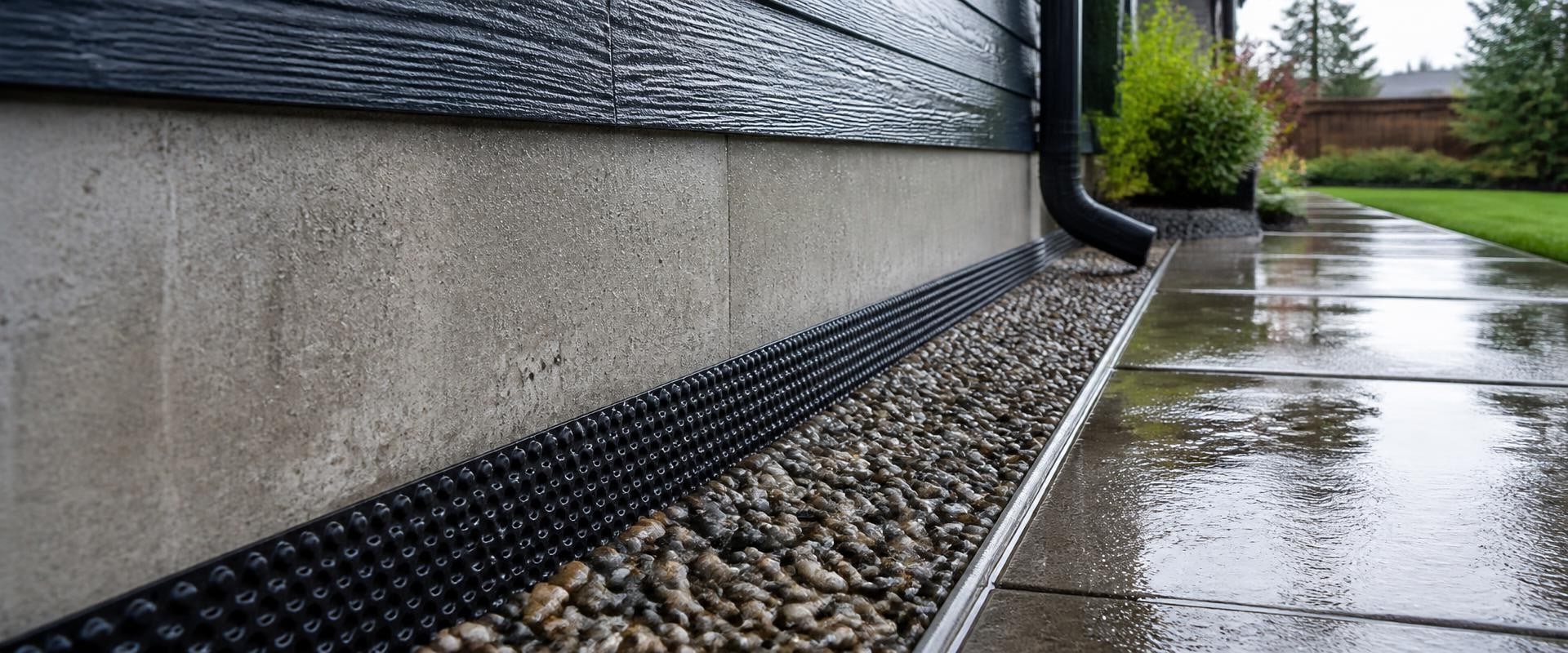
Basement waterproofing is a crucial aspect of home maintenance that often goes overlooked until water damage becomes a pressing issue. This process involves implementing various techniques and systems designed to prevent water from infiltrating your basement, ensuring that this vital area of your home remains dry and functional. Understanding basement waterproofing is essential for homeowners who wish to protect their property from the detrimental effects of moisture, which can lead to mold growth, structural damage, and a host of other problems. The importance of waterproofing cannot be overstated. A dry basement not only enhances the overall comfort of your living space but also contributes to the longevity of your home’s foundation.
Water intrusion can compromise the integrity of your walls and floors, leading to costly repairs and potential health hazards due to mold and mildew. By investing in effective waterproofing solutions, you are safeguarding your home against these risks while also increasing its market value. In this article, we will delve deeper into the various methods of basement waterproofing, explore common causes of water intrusion, and provide practical tips for maintaining a dry basement. Whether you are dealing with minor leaks or significant flooding issues, understanding the fundamentals of basement waterproofing will empower you to take proactive measures in protecting your home.
Common Causes of Basement Water Intrusion
Understanding the common causes of basement water intrusion is essential for homeowners looking to protect their property. Several factors can contribute to water entering your basement, and recognizing these can help you implement effective basement waterproofing strategies.- Poor Drainage: One of the primary reasons for basement leaks is inadequate drainage around your home.
If gutters are clogged or downspouts are not directing water away from the foundation, it can pool near the base of your house, leading to potential flooding.
- Heavy Rainfall: Intense storms can overwhelm drainage systems and saturate the ground surrounding your home. When the soil becomes overly saturated, it increases hydrostatic pressure against your foundation walls, which can result in water seeping into your basement.
- Foundation Cracks: Over time, even small cracks in your foundation can allow water to enter. These cracks may develop due to settling, temperature changes, or poor construction practices. Regularly inspecting your foundation for signs of damage is crucial.
- High Water Table: In areas where the water table is high, groundwater can rise and infiltrate basements.
This is particularly common in regions with heavy clay soils that retain moisture.
- Improper Landscaping: The slope of your yard plays a significant role in drainage. If your landscaping directs water toward your home instead of away from it, you may experience increased risk of flooding in your basement.
Assessing Your Basement's Vulnerability
To effectively prevent water from entering your basement, it is crucial to conduct a thorough assessment of its vulnerability. This process involves identifying potential entry points and understanding the overall condition of your basement.1.Inspect the Exterior: Begin by examining the outside of your home.Look for:
- Cracks in the foundation: Small cracks can allow water to seep in, especially during heavy rainfall.
- Improper grading: Ensure that the ground slopes away from your foundation to direct water away.
- Clogged gutters and downspouts: Make sure these are clear and directing water at least 6 feet away from your home.
- Look for signs of moisture: Check for damp spots, mold growth, or peeling paint on walls.
- Inspect windows and doors: Ensure they are properly sealed and not allowing water to enter during storms.
- The condition of sump pumps and drainage systems.
- The presence of any new cracks or leaks.
Effective Interior Waterproofing Solutions
When it comes to basement waterproofing, implementing effective interior solutions is crucial for maintaining a dry and healthy environment.Here are some of the most reliable methods to consider:
- Sealing Basement Walls: One of the first steps in interior waterproofing is to seal the basement walls. This can be achieved using waterproof paint or sealants specifically designed for masonry. These products create a barrier that prevents moisture from penetrating through the walls.
- Installing Sump Pumps: A sump pump is an essential tool for managing water accumulation in your basement. By installing a sump pump, you can effectively remove any water that enters your basement, directing it away from your home’s foundation.
Make sure to choose a reliable model and consider a battery backup system for power outages.
- Interior Drainage Systems: An interior drainage system, often referred to as a French drain, can be installed along the perimeter of your basement. This system collects water that seeps in and directs it to the sump pump, ensuring that your basement remains dry.
- Using Dehumidifiers: High humidity levels can lead to mold growth and musty odors in your basement. Utilizing a dehumidifier helps maintain optimal humidity levels, making it an important component of your basement waterproofing strategy.
Exterior Waterproofing Techniques
When it comes to basement waterproofing, implementing effective exterior waterproofing techniques is crucial for preventing water intrusion.These methods focus on managing water flow away from your home and protecting your foundation.
Grading and Drainage Solutions
One of the first steps in exterior waterproofing is ensuring proper grading around your home. The ground should slope away from the foundation at a minimum of 6 inches over the first 10 feet. This slope helps direct rainwater and melting snow away from your basement.- Install French Drains: These are trenches filled with gravel and a perforated pipe that collects and redirects water away from your foundation.
- Utilize Swales: These shallow ditches can be designed to channel water away from your property, reducing the risk of pooling near the foundation.
Gutters and Downspouts
Another essential component of basement waterproofing is maintaining your gutters and downspouts. Clogged gutters can overflow, allowing water to seep into the foundation.Regularly clean your gutters to ensure they function properly.
- Extend Downspouts: Ensure that downspouts extend at least 5 to 10 feet away from the foundation to prevent water from pooling near the base of your home.
- Add Splash Blocks: These can help direct water further away from the foundation when it exits the downspout.
Foundation Waterproofing
Applying waterproof coatings directly to your foundation walls can provide an additional layer of protection. These coatings create a barrier that prevents moisture from penetrating through cracks or porous materials.- Use Liquid Waterproofing Membrane: This product can be applied to exterior walls and cures to form a flexible, waterproof barrier.
- Consider Installing a Waterproofing System: For more severe cases, a professional-grade waterproofing system may be necessary, which often includes drainage boards and membranes.
Landscaping Tips to Prevent Water Accumulation
Effective landscaping plays a crucial role in preventing water accumulation around your home, which can lead to moisture issues in your basement. By implementing strategic yard grading and selecting appropriate plants, you can direct water away from your foundation.Yard Grading Tips
Proper yard grading is essential for effective drainage. Here are some tips to consider:- Grade Away from the Foundation: Ensure that the ground slopes away from your home’s foundation at a minimum of 6 inches over the first 10 feet.
This slope helps direct rainwater and melting snow away from your basement.
- Use Retaining Walls: If your yard has a steep slope, consider installing retaining walls to create level areas that can absorb water more effectively.
- Avoid Low Spots: Identify and fill any low spots in your yard where water tends to pool. This will help prevent water from accumulating near your foundation.
Selecting the Right Plants
The choice of plants in your landscaping can also influence how water drains in your yard. Here are some recommendations:- Drought-Resistant Plants: Opt for native or drought-resistant plants that require less water and can thrive in drier conditions, reducing the overall moisture levels in the soil.
- Deep-Rooted Plants: Choose plants with deep root systems, such as trees and shrubs, which can help absorb excess moisture from the soil.
- Avoid Overwatering: Be mindful of your watering practices. Overwatering can lead to excess moisture in the soil, increasing the risk of water pooling around your foundation.
Maintaining Your Basement Waterproofing System
Maintaining your basement waterproofing system is crucial for preventing water intrusion and ensuring the longevity of your home.Regular maintenance not only helps in identifying potential issues early but also extends the life of your waterproofing solutions.
Regular Inspections
- Conduct quarterly inspections of your basement to check for any signs of moisture or water damage. Look for damp spots, mold growth, or peeling paint, which can indicate a failure in your waterproofing system.
- Inspect the exterior of your home as well. Ensure that gutters and downspouts are clear and directing water away from the foundation. Clogged gutters can lead to overflow, which may seep into your basement.
- Check the grading around your home.
The ground should slope away from the foundation to prevent water pooling near the walls.
Maintenance Tips
- Seal Cracks and Gaps: Regularly inspect for cracks in walls and floors. Use a high-quality sealant to fill any gaps, as even small openings can allow moisture to enter.
- Maintain Sump Pumps: If you have a sump pump, test it regularly to ensure it’s functioning properly. Clean the pump and check the discharge line for blockages.
- Monitor Humidity Levels: Use a hygrometer to keep track of humidity levels in your basement. Ideally, humidity should be below 60%.
Consider using a dehumidifier if levels are consistently high.
Professional Assistance
If you notice persistent issues or if your waterproofing system is older, consider hiring a professional for a thorough inspection. They can provide expert advice on necessary repairs or upgrades to enhance your basement's protection against water intrusion.By implementing these basement maintenance tips, you can ensure that your waterproofing system remains effective, safeguarding your home from potential water damage.
Frequently Asked Questions About Basement Waterproofing
When it comes to basement waterproofing, many homeowners have questions about the best practices and solutions available. Here are some of the most frequently asked questions:- What are the signs that my basement needs waterproofing?
Look for signs such as damp walls, musty odors, mold growth, or water stains on the floor and walls. If you notice any of these issues, it’s crucial to address them promptly. - How does basement waterproofing work?
Basement waterproofing involves various methods to prevent water from entering your basement.This can include exterior drainage systems, interior sealants, sump pumps, and more. Each method targets specific sources of water intrusion.
- Can I waterproof my basement myself?
While some minor repairs can be done as DIY projects, it’s often best to consult with professionals for comprehensive basement waterproofing. They can assess your situation and recommend the most effective solutions. - How long does waterproofing last?
The longevity of waterproofing solutions varies based on the method used and environmental factors. Generally, professional installations can last for many years, but regular maintenance is essential to ensure continued effectiveness. - What should I do if I still see leaks after waterproofing?
If leaks persist after you’ve implemented waterproofing measures, it may indicate a more serious issue.Consider consulting a professional to evaluate potential problems such as foundation cracks or inadequate drainage systems.
Conclusion: Keeping Your Basement Dry Year-Round
In conclusion, maintaining a dry basement is crucial for the overall health of your home and the well-being of its occupants. By implementing effective basement waterproofing strategies, you can significantly reduce the risk of water intrusion and its associated problems. Throughout this article, we have explored various methods to prevent water from entering your basement. From ensuring proper drainage around your property to utilizing sump pumps and waterproofing membranes, each step plays a vital role in safeguarding your basement.Key Takeaways
- Regular Maintenance: Conduct routine inspections of your basement and surrounding areas to identify potential vulnerabilities.
- Effective Drainage: Ensure that gutters and downspouts are functioning correctly and directing water away from your foundation.
- Waterproofing Solutions: Consider investing in professional waterproofing services or DIY solutions like sealants and membranes.
- Sump Pumps: Install a sump pump to manage excess water effectively, especially in areas prone to flooding.
Remember, a dry basement contributes to a healthier living environment, preventing mold growth and structural issues that can arise from prolonged exposure to water. Ultimately, the key to successful basement waterproofing lies in vigilance and timely action. Don’t wait for water problems to arise; instead, invest in preventive measures today to ensure your basement remains a safe and dry space for years to come.