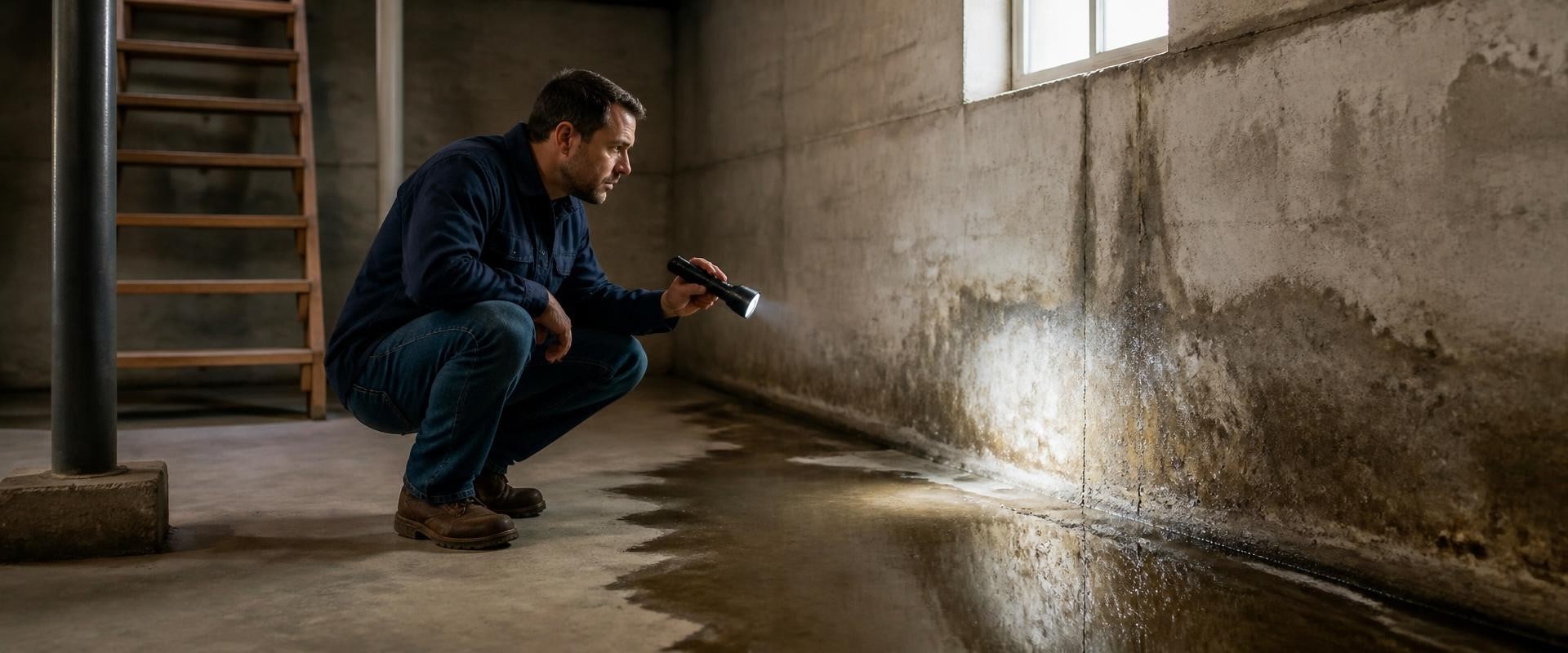
Basement moisture problems are a common yet often overlooked issue that can lead to significant damage if not addressed promptly. Homeowners may not realize that their basement is susceptible to moisture until they notice unpleasant odors, mold growth, or even structural damage. Understanding the signs of moisture in your basement is crucial for maintaining a healthy living environment and protecting your home’s value. One of the first steps in identifying basement moisture problems is recognizing the various indicators that suggest water intrusion. These can include visible water stains on walls, peeling paint, or damp spots on the floor.
Additionally, a musty smell can be a telltale sign of mold or mildew, which thrive in humid conditions. Ignoring these signs can lead to more severe issues, such as compromised foundation integrity and health risks associated with mold exposure. Effective basement waterproofing is essential for preventing moisture problems from escalating. By taking proactive measures, homeowners can safeguard their basements against water damage and create a dry, comfortable space. In the following sections, we will delve deeper into the specific signs of moisture issues and explore various waterproofing solutions that can help protect your home from the detrimental effects of excess moisture.
Common Signs of Moisture in Your Basement
Identifying moisture in your basement is crucial for maintaining a healthy home environment.Here are some common signs of moisture that you should look out for:
- Musty Odors: One of the first indicators of moisture is a persistent musty smell. This odor often suggests the presence of mold or mildew, which thrive in damp conditions.
- Water Stains: Look for water stains on walls and floors. These stains can appear as dark patches or streaks and are often a sign that water has seeped through the foundation or walls.
- Mold Growth: If you notice any visible mold, it’s a clear sign of excess moisture. Mold can appear in various colors, including black, green, or white, and can grow on walls, ceilings, and even furniture.
- Damp Walls and Floors: Touching your basement walls or floors may reveal dampness.
If they feel wet or cold to the touch, it’s likely that moisture is present.
- Condensation: Excessive condensation on windows or pipes can indicate high humidity levels in your basement. This moisture can lead to further issues if not addressed promptly.
Causes of Basement Moisture Problems
Understanding the causes of basement moisture problems is crucial for homeowners looking to maintain a dry and healthy living space. Several factors can contribute to moisture accumulation in basements, and identifying these sources is the first step toward effective basement waterproofing.- Poor Drainage: One of the primary reasons basements experience moisture issues is inadequate drainage around the foundation.
If gutters are clogged or downspouts are not directing water away from the house, rainwater can pool near the foundation, leading to seepage.
- Plumbing Leaks: Hidden plumbing leaks can also be a significant source of moisture. Pipes that run through or near the basement may develop leaks over time, causing water to accumulate unnoticed.
- High Humidity Levels: Basements often have higher humidity levels than other areas of the home due to their underground location. This can lead to condensation on walls and floors, creating an environment conducive to mold growth.
- Groundwater Seepage: In some cases, groundwater can rise and seep through cracks in the foundation walls or floors. This is particularly common in areas with high water tables or during heavy rainfall.
- Improper Grading: The slope of the land surrounding your home should direct water away from the foundation.
If the grading is incorrect, it can cause water to flow toward the basement instead.
How to Inspect Your Basement for Moisture Issues
Inspecting your basement for moisture issues is crucial to maintaining a healthy home environment. Here’s a step-by-step guide to help you conduct a thorough DIY basement inspection.- Gather Your Tools: Before you start, make sure you have the following tools on hand:
- A flashlight
- A moisture meter
- A notepad and pen for notes
- Caulk or sealant for any immediate repairs
- Check for Visible Signs of Moisture: Begin your inspection by looking for any visible signs of moisture. Pay attention to:
- Water stains on walls and floors
- Mold or mildew growth
- Peeling paint or wallpaper
- Efflorescence (white powdery residue) on walls
- Inspect the Walls and Floors: Use your flashlight to examine the walls and floors closely.
Look for cracks or gaps where water could seep in. If you find any, take note of their locations.
- Use a Moisture Meter: A moisture meter can help you identify hidden moisture levels in your basement. Test various areas, especially around walls and floors, to determine if there are elevated moisture levels.
- Check for Leaks: Inspect plumbing fixtures, pipes, and appliances in your basement for any signs of leaks. Even small leaks can contribute to larger moisture problems over time.
- Assess the Exterior: Don’t forget to check the outside of your home.
Ensure that gutters are clean and directing water away from the foundation. Look for any grading issues that may cause water to pool near your basement.
The Importance of Basement Waterproofing
Waterproofing your basement is not just a precaution; it is a vital investment in the longevity and health of your home.Basement waterproofing
serves as a protective barrier against moisture intrusion, which can lead to a myriad of problems, including mold growth, structural damage, and decreased property value.One of the primary reasons to consider waterproofing your basement is the prevention of water damage.Even minor leaks can escalate into significant issues if left unaddressed. Water can weaken the foundation, leading to cracks and instability. By implementing waterproofing measures, homeowners can safeguard their property from these costly repairs.
Benefits of Waterproofing
- Mold Prevention: Moist environments are breeding grounds for mold and mildew, which can pose serious health risks. Waterproofing helps maintain a dry environment, reducing the likelihood of mold growth.
- Increased Property Value: A dry basement is an attractive feature for potential buyers.
Investing in waterproofing can enhance your home’s marketability and overall value.
- Improved Air Quality: By preventing moisture buildup, waterproofing contributes to better indoor air quality, making your home healthier for you and your family.
- Energy Efficiency: A well-sealed basement can help regulate temperature, reducing energy costs associated with heating and cooling.
Effective Basement Waterproofing Solutions
When it comes to basement waterproofing, homeowners have several effective solutions at their disposal. Understanding these methods can help you choose the right approach based on your specific needs and the severity of the moisture problem.Interior Sealants
One of the most common methods for waterproofing a basement is the application of interior sealants.These products are designed to create a barrier against moisture penetration. They can be applied to walls and floors, sealing cracks and preventing water from seeping in. While interior sealants are effective for minor moisture issues, they may not be sufficient for more severe problems.
Exterior Drainage Systems
For homeowners facing significant water intrusion, installing an exterior drainage system can be a more comprehensive solution. This method involves creating a drainage system around the foundation of your home, which directs water away from the basement.Common components include:
- French Drains: These are trenches filled with gravel and a perforated pipe that collects and redirects water.
- Grading: Ensuring that the ground slopes away from your foundation helps prevent water accumulation.
- Downspout Extensions: Extending downspouts away from the foundation can significantly reduce water pooling near your basement.
Sump Pumps
A sump pump is another effective solution for managing basement moisture. This device is installed in a sump pit, where it collects excess water that may accumulate during heavy rains or flooding. Once the water reaches a certain level, the sump pump activates and pumps the water out of your basement, keeping it dry. Regular maintenance of your sump pump is crucial to ensure its effectiveness.Choosing the right waterproofing technique depends on various factors, including the severity of moisture issues, budget constraints, and long-term goals for your basement space.Consulting with a professional can provide valuable insights tailored to your specific situation, ensuring that you select the most effective solution for your home.
When to Call a Professional for Help
Determining when to call a professional for basement waterproofing can be crucial in preventing further damage to your home. While some minor issues can be addressed with DIY solutions, there are specific signs that indicate the need for expert intervention.- Persistent Water Accumulation: If you notice water pooling in your basement after heavy rain or melting snow, it’s a clear sign that your waterproofing measures may be inadequate. A professional can assess the situation and recommend appropriate solutions.
- Mold and Mildew Growth: The presence of mold or mildew is not only a health hazard but also an indication of excessive moisture. If you see these growths, it’s time to consult a specialist who can identify the source of moisture and implement effective remediation strategies.
- Cracks in Walls or Floors: Structural cracks can allow water to seep into your basement.
If you observe significant cracks, especially those that widen over time, it’s essential to seek professional help to evaluate the integrity of your foundation.
- Musty Odors: A persistent musty smell often signals hidden moisture problems. Professionals can conduct thorough inspections to locate hidden leaks or damp areas that may not be immediately visible.
- Previous DIY Attempts: If you’ve tried DIY waterproofing methods without success, it may be time to call in the experts. They have the tools and expertise to tackle more complex issues that require specialized knowledge.
Their expertise can save you time, money, and potential health risks associated with prolonged moisture exposure.
Frequently Asked Questions About Basement Moisture and Waterproofing
Understanding basement moisture and waterproofing can be overwhelming, but addressing common questions can help clarify your concerns. Here are some frequently asked questions:- What are the signs of moisture in my basement?
Look for visible signs such as water stains on walls, peeling paint, or mold growth. A musty odor is also a strong indicator of moisture issues. - How can I prevent moisture in my basement?
Regular maintenance is key. Ensure proper drainage around your home, use dehumidifiers, and consider applying a waterproof sealant to walls and floors. - Is it necessary to waterproof my basement?
If you notice persistent moisture problems, waterproofing is essential.It protects your home from structural damage and health risks associated with mold and mildew.
- What methods are available for basement waterproofing?
Common methods include interior drainage systems, exterior waterproofing membranes, and sump pumps. Each method has its advantages depending on the severity of the moisture issue. - Can I waterproof my basement myself?
While some minor repairs can be DIY projects, professional assessment is recommended for significant moisture problems to ensure effective solutions.
Conclusion: Protecting Your Home from Basement Moisture Issues
In conclusion, addressing basement moisture issues is crucial for maintaining the integrity of your home. As we have discussed, basement waterproofing is not just a preventive measure; it is an essential step in safeguarding your property from potential damage caused by excess moisture. Recognizing the signs of moisture problems early can save you from costly repairs and health hazards associated with mold and mildew.Regular inspections and being aware of the indicators such as damp spots, musty odors, and peeling paint can help you take action before the situation escalates. Here are some key takeaways to remember:
- Identify moisture sources: Understand where water is entering your basement, whether through cracks in the foundation, poor drainage systems, or high humidity levels.
- Implement preventive measures: Consider installing sump pumps, dehumidifiers, and proper drainage systems to manage moisture effectively.
- Regular maintenance: Schedule routine checks to ensure that your waterproofing systems are functioning correctly and that there are no new signs of moisture intrusion.