When it comes to maintaining a safe and healthy home, basement waterproofing plays a crucial role. Many homeowners underestimate the importance of keeping their basements dry, often overlooking the potential risks associated with moisture accumulation. A damp basement can lead to a host of problems, including mold growth, structural damage, and even health issues for the inhabitants. Therefore, understanding the significance of waterproofing is essential for anyone looking to protect their property. Basement moisture control is not just about preventing water from entering your home; it’s about creating a livable space that can be used for various purposes, from storage to recreational areas.
A well-waterproofed basement enhances the overall value of your property and contributes to a healthier indoor environment. Homeowners should recognize that investing in basement waterproofing is not merely an expense but a long-term investment in their home’s integrity and their family's well-being. As we delve deeper into this topic, it becomes evident that climate plays a significant role in determining the specific waterproofing needs of a basement. Different regions experience varying levels of rainfall, humidity, and temperature fluctuations, all of which can impact how moisture interacts with your home’s foundation. Understanding these climatic influences is vital for tailoring effective waterproofing solutions that will stand the test of time.
How Climate Influences Basement Conditions
The climate in which a home is located plays a significant role in determining the specific basement waterproofing needs.Various climatic factors, such as humidity levels, temperature fluctuations, and precipitation patterns, can greatly influence the conditions within a basement.
Humidity and Basements
- High humidity levels can lead to moisture accumulation in basements, creating an environment conducive to mold and mildew growth.
- In regions with high humidity, it is essential to implement effective ventilation systems and dehumidifiers to maintain optimal moisture levels.
- Conversely, areas with low humidity may not face the same risks but can still experience condensation issues if temperature differences between the basement and outside air are significant.
Temperature Fluctuations
- Temperature changes can affect the moisture levels in the air. For instance, warm air holds more moisture than cold air, which can lead to condensation when warm air meets cooler surfaces in the basement.
- In colder climates, freezing temperatures can cause water pipes to burst, leading to potential flooding and water damage if not properly insulated.
Precipitation Patterns
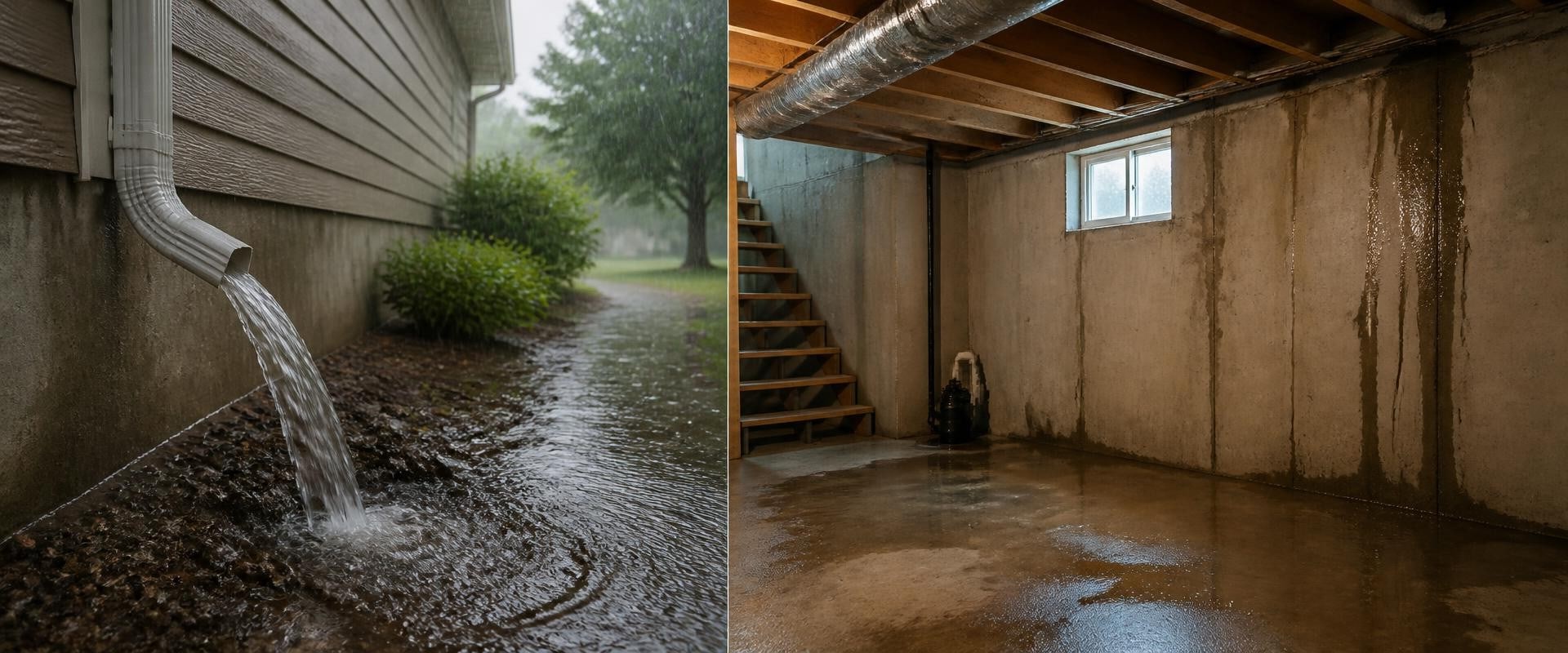
- Regions that experience heavy rainfall or snowmelt are particularly vulnerable to basement flooding. Understanding local precipitation patterns is crucial for selecting appropriate waterproofing solutions.
- Installing sump pumps and proper drainage systems can mitigate the risks associated with excessive water accumulation during rainy seasons.
Regional Climate Variations and Their Impact on Waterproofing Needs
Understanding how regional climate variations influence basement waterproofing needs is crucial for homeowners and builders alike.Different climate zones present unique challenges that can significantly affect the integrity of basements.
Humid Climates
In areas characterized by high humidity, such as the Southeastern United States, the risk of moisture accumulation is heightened. This necessitates robust basement waterproofing solutions. Homeowners in these regions often face:- Increased groundwater levels: Heavy rainfall can lead to water pooling around foundations, making effective drainage systems essential.
- Mold and mildew growth: The combination of warmth and moisture creates an ideal environment for mold, requiring additional ventilation and dehumidification measures.
Arid Climates
Conversely, in arid regions like the Southwestern United States, the challenges differ. While these areas experience less rainfall, they can still face issues related to:- Soil shrinkage: Dry conditions can cause soil to contract, leading to foundation settling and cracks that allow moisture intrusion during rare rain events.
- Temperature fluctuations: Extreme temperature changes can exacerbate structural issues, necessitating flexible waterproofing materials that can withstand expansion and contraction.
Temperate Climates
In temperate zones, such as parts of the Northeast, homeowners must prepare for a mix of conditions.These regions often experience:
- Seasonal freeze-thaw cycles: Water that seeps into cracks can freeze and expand, worsening damage over time. Proper sealing and insulation are vital.
- Heavy snowfall: Melting snow can lead to increased moisture levels in basements, making sump pumps and drainage systems critical.
Common Basement Waterproofing Techniques for Different Climates
When it comes to basement waterproofing, the techniques employed can vary significantly based on the local climate. Understanding these differences is crucial for homeowners looking to protect their basements from water damage.Interior vs.
Exterior SolutionsIn regions with heavy rainfall or snowmelt, exterior waterproofing methods are often more effective. This includes applying a waterproof membrane to the outside of the foundation walls and ensuring proper grading away from the house. Conversely, in drier climates, interior waterproofing solutions, such as sealants and coatings, may suffice to prevent moisture ingress.
Sump Pumps and Drainage Systems
For areas prone to flooding or high groundwater levels, installing a sump pump is essential. This device actively removes water that accumulates in the basement, preventing potential damage.Additionally, a well-designed drainage system, including French drains or perimeter drains, can redirect water away from the foundation, making it a vital component in wetter climates.
Sealants and Coatings
In moderate climates where humidity is a concern but heavy rainfall is less frequent, using sealants can be an effective method for basement waterproofing. These products create a barrier against moisture while allowing the walls to breathe. Homeowners should choose high-quality sealants that are specifically designed for basement applications to ensure longevity and effectiveness.Climate-Specific Considerations
- Tropical Climates: Focus on ventilation and moisture barriers to combat humidity.
- Cold Climates: Insulation and exterior drainage systems are crucial to prevent ice damming.
- Drought-Prone Areas: Interior sealants may be sufficient; however, monitor for cracks that could allow moisture entry during rare storms.
The Role of Seasonal Changes in Basement Waterproofing Needs
Seasonal changes significantly influence the moisture levels in basements, making it essential to adapt basement waterproofing strategies accordingly.Understanding how different seasons affect your basement can help you implement effective measures to prevent water intrusion.
Winter Waterproofing Needs
During winter, freezing temperatures can lead to ice formation and increased pressure on foundation walls. To prepare your basement for winter, consider the following:- Insulate Pipes: Ensure that all plumbing pipes are insulated to prevent freezing and potential bursts.
- Seal Cracks: Inspect and seal any cracks in the foundation walls or floors to prevent cold air and moisture from entering.
- Check Gutters: Clean and maintain gutters to ensure proper drainage away from the foundation, reducing the risk of ice dams.
Summer Humidity Control
In contrast, summer brings higher humidity levels, which can lead to condensation and mold growth in basements. To combat these issues, homeowners should:- Use Dehumidifiers: Invest in a dehumidifier to maintain optimal humidity levels, ideally between 30-50%.
- Improve Ventilation: Ensure proper ventilation by opening windows or installing vents to allow airflow.
- Monitor Water Sources: Regularly check for leaks in plumbing or appliances that could contribute to excess moisture.
Signs Your Basement Needs Waterproofing Based on Climate Indicators
Understanding the signs of basement moisture issues is crucial for homeowners, especially when considering how climate can impact these problems. Different weather patterns can exacerbate moisture levels in your basement, making it essential to recognize the indicators that suggest your basement may need waterproofing.- Increased Humidity: If you notice a persistent increase in humidity levels in your basement, it could be a sign that moisture is seeping in due to heavy rainfall or high humidity seasons.
A dehumidifier may help temporarily, but long-term solutions like waterproofing are necessary.
- Water Stains: Look for water stains on walls or floors. These stains often indicate previous water intrusion, which can worsen during rainy seasons or snowmelt.
- Mold and Mildew: The presence of mold or mildew is a clear indicator of excess moisture. If you see these growths, especially after heavy rains, it’s time to consider waterproofing.
- Puddles or Standing Water: If you find puddles or standing water in your basement after storms, this is a strong sign that your basement needs immediate attention. This can lead to significant structural damage if not addressed.
- Cracks in Walls or Floors: Cracks can allow water to enter your basement.
Pay attention to any new cracks that appear after heavy rainfall or temperature fluctuations.
FAQs About Climate and Basement Waterproofing Needs
Understanding how climate impacts basement waterproofing needs is crucial for homeowners. Here are some frequently asked questions that can help clarify this relationship:- How does humidity affect basement waterproofing? High humidity levels can lead to increased moisture in the air, which may seep into your basement.
This necessitates effective waterproofing solutions such as vapor barriers and dehumidifiers to maintain a dry environment.
- What role does rainfall play in basement waterproofing? Regions with heavy rainfall require more robust waterproofing systems. Proper drainage systems, sump pumps, and exterior grading are essential to divert water away from the foundation.
- Are there specific waterproofing methods for cold climates? In colder areas, it’s important to consider freeze-thaw cycles. Insulating your basement walls and ensuring proper drainage can prevent water from freezing and expanding, which can cause cracks.
- How does drought impact basement moisture levels? Drought conditions can lead to soil shrinkage around your foundation, potentially causing cracks that allow water intrusion during subsequent rains. Regular inspections and maintenance of your waterproofing system are vital.
- What are the signs that my basement needs waterproofing? Look for signs such as damp walls, musty odors, or visible mold growth.
These indicators suggest that your current waterproofing measures may not be sufficient for your climate.
Conclusion: Adapting Your Waterproofing Strategy to Climate Challenges
In conclusion, understanding how climate impacts your basement waterproofing needs is crucial for maintaining a dry and safe living environment. As we have explored, different climates present unique challenges that can significantly affect the integrity of your basement. For instance, in regions with heavy rainfall, it is essential to invest in robust drainage systems and sump pumps to manage excess water effectively. Conversely, areas prone to drought may require different strategies, such as ensuring proper grading and sealing to prevent moisture loss and foundation damage. Moreover, fluctuating temperatures can lead to freeze-thaw cycles that compromise waterproofing materials.Homeowners in colder climates should consider using insulation and high-quality sealants that can withstand these conditions. To adapt your waterproofing strategy effectively, consider the following:
- Assess Local Climate: Regularly evaluate how seasonal changes affect your basement.
- Invest in Quality Materials: Use waterproofing products designed for your specific climate challenges.
- Regular Maintenance: Schedule periodic inspections to identify potential issues before they escalate.
- Consult Professionals: Seek advice from local experts who understand the nuances of your area's climate.