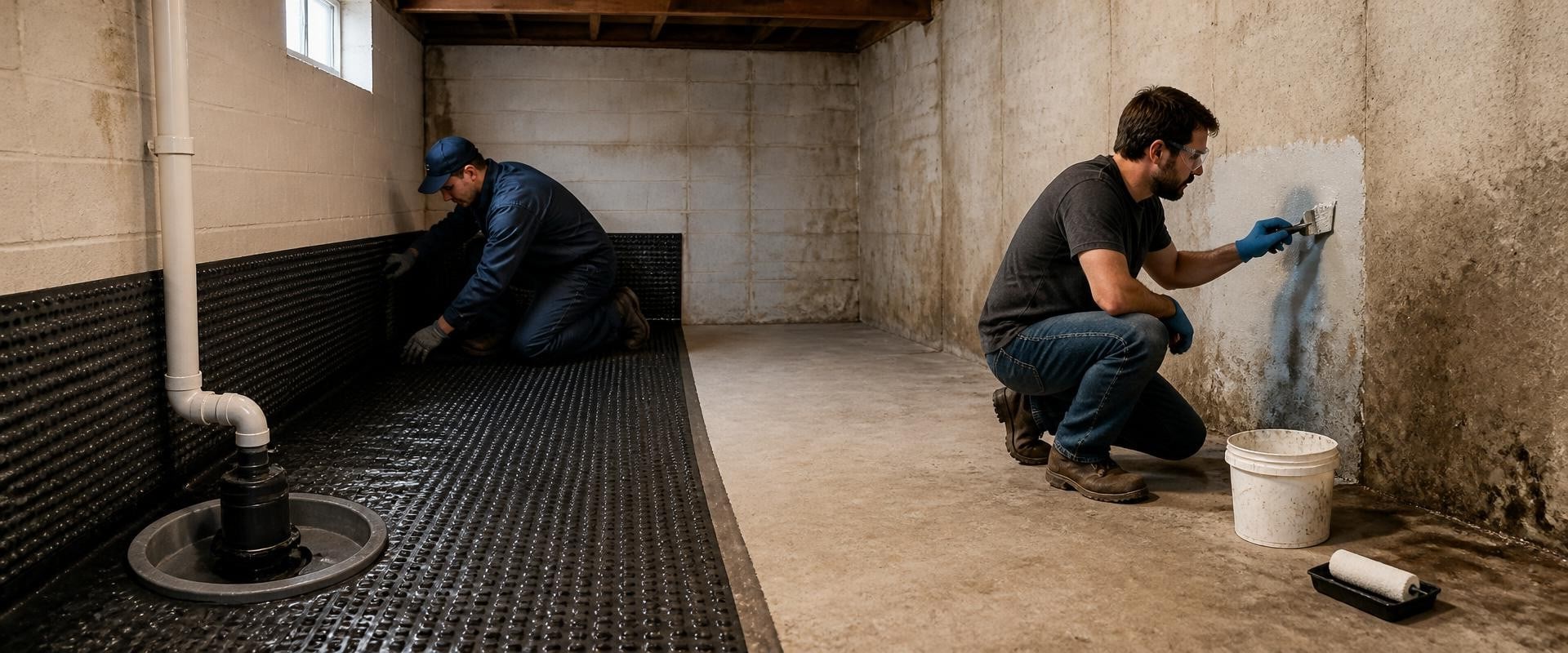
Basement waterproofing is a crucial aspect of home maintenance that often goes overlooked until water damage becomes a pressing issue. This process involves implementing various techniques and solutions to prevent water from entering the basement, thereby safeguarding your home’s foundation and interior. Understanding basement waterproofing is essential for homeowners who wish to maintain a healthy living environment and protect their investment. The importance of waterproofing cannot be overstated. A damp basement can lead to a myriad of problems, including mold growth, structural damage, and decreased air quality.
These issues not only compromise the integrity of your home but can also pose serious health risks to you and your family. By investing in effective waterproofing solutions, you can avoid costly repairs and ensure that your basement remains a safe and functional space. In this article, we will explore the various methods of basement waterproofing, weighing the pros and cons of DIY approaches versus hiring a professional. Whether you’re dealing with minor leaks or significant moisture issues, understanding the fundamentals of waterproofing will empower you to make informed decisions about how best to protect your home.
Signs Your Basement Needs Waterproofing
Identifying the signs that your basement needs waterproofing is crucial for maintaining the integrity of your home. Ignoring these indicators can lead to more severe issues, including structural damage and mold growth.Here are some common signs to watch for:
- Water Stains: Look for discoloration on walls or floors, which often indicates previous water intrusion.
- Mold and Mildew: The presence of mold or a musty smell is a clear sign of excess moisture, suggesting that waterproofing may be necessary.
- Dampness: If your basement feels humid or damp, it’s a strong indicator that water is seeping in.
- Cracks in Walls or Floors: Structural cracks can allow water to enter, making it essential to address them promptly.
- Puddles or Standing Water: Any accumulation of water in your basement after heavy rain is a direct sign that waterproofing is needed.
- Efflorescence: This white, powdery substance on walls is a result of water evaporating and leaving behind mineral deposits, indicating moisture issues.
Waterproofing your basement
not only protects your belongings but also enhances the overall value of your home. If you’re unsure whether your basement requires waterproofing, consider consulting with a professional who can assess the situation and recommend appropriate solutions.DIY Basement Waterproofing: Pros and Cons
When considering DIY basement waterproofing, it's essential to weigh the advantages and disadvantages before diving into the project. Understanding these factors can help you make an informed decision that suits your needs and capabilities.Advantages of DIY Waterproofing
- Cost Savings: One of the most significant benefits of tackling basement waterproofing yourself is the potential for substantial cost savings.
Hiring a professional can be expensive, but by doing it yourself, you can save on labor costs.
- Control Over the Process: DIY projects allow you to have complete control over every aspect of the waterproofing process. You can choose the materials, methods, and timeline that work best for you.
- Learning Experience: Engaging in a DIY project can be a valuable learning experience. You’ll gain hands-on knowledge about your home’s structure and maintenance, which can be beneficial for future repairs.
Disadvantages of DIY Waterproofing
- Time-Consuming: Basement waterproofing can be a labor-intensive task that requires significant time investment. If you're not experienced, it may take longer than anticipated to complete the job.
- Lack of Expertise: Without professional training, you may not fully understand the complexities involved in waterproofing.
Mistakes can lead to inadequate sealing, which might result in more severe water damage down the line.
- Potential for Incomplete Solutions: DIY methods may not address all underlying issues contributing to water intrusion. Professionals often have access to advanced tools and techniques that ensure a comprehensive solution.
Professional Basement Waterproofing: What to Expect
When considering professional basement waterproofing, it’s essential to understand what the process entails and what you can expect from hiring a waterproofing contractor. This service typically involves a thorough assessment of your basement's current condition, identifying any existing water damage, and determining the best waterproofing solutions tailored to your specific needs.Hiring a waterproofing contractor
usually begins with an initial consultation.During this visit, the contractor will inspect your basement for signs of moisture intrusion, such as damp spots, mold growth, or efflorescence on walls. They may also evaluate the exterior drainage systems and grading around your home to ensure that water is directed away from the foundation.Once the assessment is complete, the contractor will provide you with a detailed plan that outlines the recommended waterproofing methods. Common techniques include:
- Interior drainage systems: Installing a sump pump and drainage channels to collect and redirect water.
- Exterior waterproofing: Applying sealants or membranes to the outside of the foundation walls.
- Crack repair: Sealing any cracks in the foundation to prevent water seepage.
- French drains: Installing a trench filled with gravel and a perforated pipe to divert water away from the foundation.
However, more extensive problems may lead to higher costs.Ultimately, investing in professional basement waterproofing not only protects your home from potential water damage but also enhances its overall value. By hiring experienced contractors, you ensure that the job is done correctly and efficiently, providing peace of mind for years to come.
Comparative Analysis: DIY vs Professional Waterproofing
When considering basement waterproofing, homeowners often face a critical decision: should they tackle the project themselves or hire a professional? This section provides a comparative analysis of both options, focusing on cost, effectiveness, and long-term results.Cost Comparison
The initial cost is a significant factor in the DIY versus professional debate. DIY basement waterproofing can be appealing due to its lower upfront costs. Homeowners can purchase materials such as sealants, drainage systems, and sump pumps for a fraction of the price of hiring a contractor.However, it’s essential to consider:
- Material Costs: DIY projects require purchasing all necessary materials, which can add up quickly.
- Time Investment: The time spent learning and executing the project can be substantial.
- Potential Mistakes: Errors in application can lead to costly repairs down the line.
Effectiveness Comparison
Effectiveness is another crucial aspect to consider. While DIY methods can be effective for minor issues, they may not address underlying problems adequately. Professionals bring expertise and experience that can:- Identify Root Causes: Experts can diagnose issues that a homeowner might overlook.
- Implement Comprehensive Solutions: Professionals often use advanced techniques and equipment that ensure thorough waterproofing.
- Provide Long-Term Results: A well-executed professional job typically lasts longer than DIY efforts.
Common DIY Waterproofing Methods and Their Effectiveness
When considering basement waterproofing, many homeowners explore DIY waterproofing methods as a cost-effective solution.Here are some common techniques and an evaluation of their effectiveness:
- Sealants: Applying a waterproof sealant to the interior walls and floors can help prevent moisture from seeping through. While this method is relatively easy and inexpensive, it is most effective for minor dampness. For severe water issues, sealants may not provide a long-term solution.
- Exterior Grading: Ensuring that the ground around your home slopes away from the foundation can significantly reduce water accumulation near your basement. This method is highly effective but may require some landscaping work.
- French Drains: Installing a French drain system involves digging a trench around the perimeter of your basement and placing perforated pipes to redirect water away from the foundation.
This method can be labor-intensive but is very effective for managing groundwater.
- Interior Drainage Systems: Similar to French drains, interior drainage systems collect water that enters the basement and channel it to a sump pump. While this method can be effective, it requires proper installation to ensure efficiency.
- Dehumidifiers: Using a dehumidifier can help control humidity levels in your basement, reducing the risk of mold and mildew. However, this method does not address the source of water intrusion and should be used in conjunction with other methods.
FAQs About Basement Waterproofing Decisions
When considering basement waterproofing, homeowners often have numerous questions.Here are some of the most frequently asked questions that can help clarify your decision-making process.
- What are the signs that my basement needs waterproofing?
Look for signs such as damp walls, mold growth, musty odors, and water stains. If you notice any of these issues, it’s a clear indication that your basement may require waterproofing. - Can I waterproof my basement myself?
While some homeowners choose to tackle basement waterproofing as a DIY project, it’s essential to assess your skills and the complexity of the job. Simple tasks like applying sealants or installing a sump pump can be manageable, but more extensive issues may require professional expertise. - What are the benefits of hiring a professional?
Hiring a professional can save you time and ensure that the job is done correctly. Professionals have access to specialized tools and materials, as well as the experience to identify underlying issues that may not be apparent to an untrained eye. - How much does professional waterproofing cost?
The cost of hiring a professional for basement waterproofing varies widely based on factors such as the size of your basement, the severity of the water problem, and the methods used.On average, homeowners can expect to pay between $1,500 and $5,000.
- Are there any long-term benefits to waterproofing?
Yes! Properly waterproofing your basement can increase your home’s value, improve air quality by reducing mold growth, and protect your belongings from water damage.
Conclusion: Making the Right Choice for Your Basement
In conclusion, the decision between DIY basement waterproofing and hiring a professional ultimately hinges on several key factors, including your budget, skill level, and the severity of the water issues in your basement. If you possess a good understanding of home improvement projects and have experience with similar tasks, taking on basement waterproofing yourself can be a rewarding challenge. DIY methods can save you money and allow you to customize the approach based on your specific needs. However, it’s crucial to conduct thorough research and ensure you have the right tools and materials before starting. On the other hand, if your basement experiences significant water intrusion or if you are unsure about the best methods to employ, hiring a professional may be the wiser choice. Professionals bring expertise, advanced techniques, and often offer warranties on their work, providing peace of mind that the job will be done correctly. Ultimately, consider the following:- Assess Your Skills: Are you comfortable with home repairs? Do you have experience with waterproofing?
- Evaluate the Problem: Is your basement prone to flooding or moisture issues? How severe are these problems?
- Budget Considerations: Can you afford professional services, or would a DIY approach fit better within your financial plan?
Whether you choose to tackle basement waterproofing yourself or enlist the help of professionals, addressing water issues promptly is essential for maintaining a safe and dry living environment.