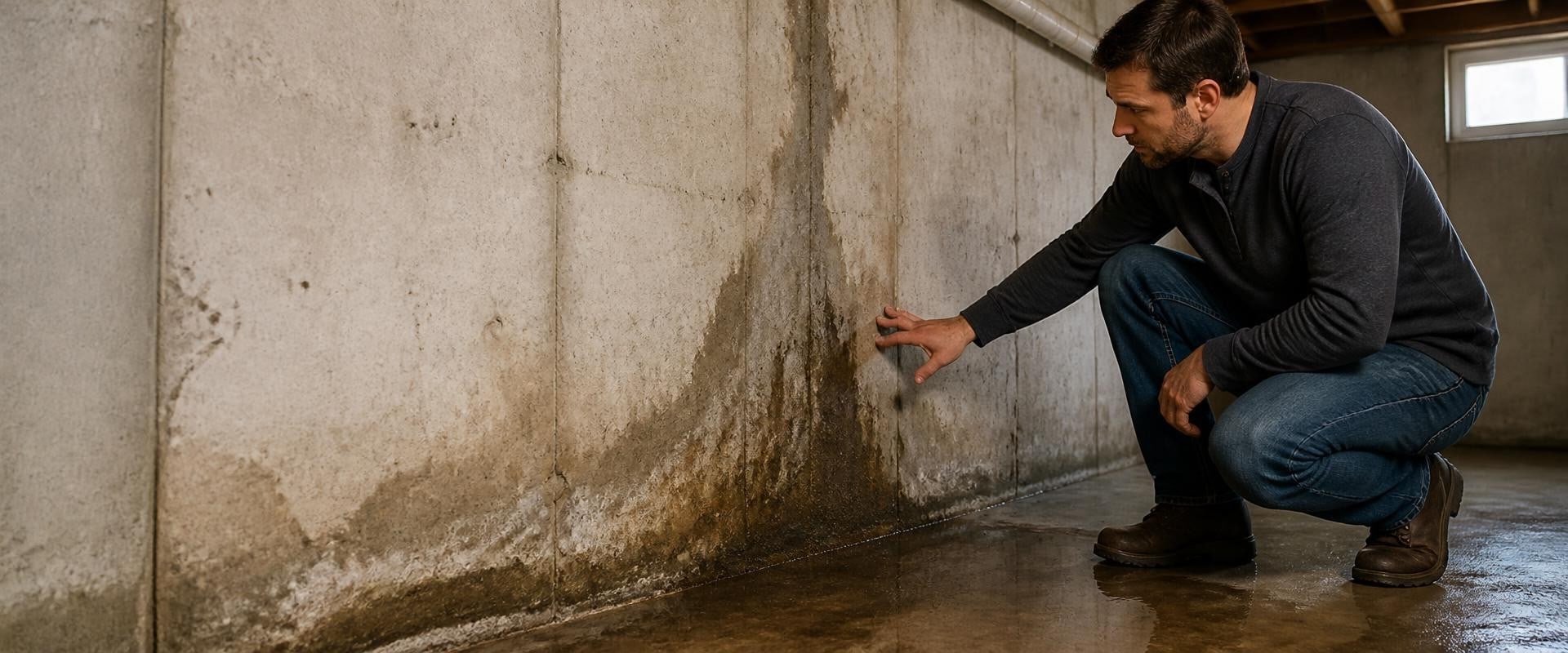
Basement waterproofing is a crucial aspect of home maintenance that often goes overlooked until significant problems arise. It involves implementing various techniques and systems designed to prevent water from entering the basement, thereby protecting the structural integrity of the home and ensuring a safe living environment. Understanding basement waterproofing is essential for homeowners, as it not only safeguards against moisture-related issues but also enhances the overall value of the property. The importance of basement waterproofing cannot be overstated. A well-waterproofed basement can serve multiple purposes, from providing additional storage space to functioning as a livable area.
Conversely, inadequate waterproofing can lead to a host of problems, including mold growth, structural damage, and even health risks associated with damp environments. Homeowners should be proactive in assessing their basements and considering waterproofing solutions to mitigate these risks. In this article, we will explore the signs of a poorly waterproofed basement, helping you identify potential issues before they escalate into costly repairs. By recognizing these warning signs early on, you can take the necessary steps to protect your home and ensure that your basement remains a safe and functional part of your living space.
Common Signs of Water Damage in Basements
Identifying water damage in your basement early can save you from costly repairs and health hazards. Here are some common signs that indicate your basement may not be properly waterproofed:- Water Stains: Look for brown or yellow stains on walls and floors.
These stains often indicate that water has seeped through the walls or foundation.
- Mold Growth: If you notice mold or mildew, especially in corners or around windows, it’s a clear sign of excess moisture. Mold thrives in damp environments, making it a serious concern for both your home and health.
- Musty Odors: A persistent musty smell is often a telltale sign of trapped moisture. This odor can indicate hidden water damage and should not be ignored.
- Peeling Paint or Wallpaper: If you see paint or wallpaper bubbling, peeling, or cracking, it may be due to moisture buildup behind the surfaces.
- Efflorescence: This white, powdery substance on walls is a result of water evaporating and leaving behind mineral deposits. It’s a strong indicator of moisture intrusion.
- Puddles or Standing Water: Any visible puddles or standing water in your basement after heavy rain can signal inadequate waterproofing.
- Increased Humidity Levels: If your basement feels excessively humid, it may be a sign that water is entering the space.
Consider using a hygrometer to measure humidity levels.
Visible Structural Issues Indicating Poor Waterproofing
When assessing the integrity of your basement, visible structural issues can serve as critical indicators of inadequate basement waterproofing. Homeowners should be vigilant for signs that may suggest water intrusion and potential damage to the foundation.- Cracks in Basement Walls: One of the most common signs of poor waterproofing is the presence of cracks in the basement walls.
These cracks can vary in size and may appear as hairline fractures or larger fissures. If you notice cracks that are wider than 1/8 inch, it’s essential to investigate further, as they can allow moisture to seep through, compromising the structural integrity of your home.
- Bowing Walls: Another alarming sign is bowing or leaning walls. This occurs when hydrostatic pressure from saturated soil pushes against the walls, causing them to deform. Bowed walls not only indicate a failure in waterproofing but also pose serious risks to the overall stability of your home.
- Water Stains and Efflorescence: Look for water stains or white powdery residue (efflorescence) on the walls and floor.
These stains are often a result of moisture seeping through cracks and can lead to mold growth if left unaddressed.
- Uneven Floors: If you notice that your basement floor is uneven or sloping, it could be a sign of settling due to water damage. This structural issue may indicate that the foundation is compromised, often linked to poor waterproofing practices.
Unpleasant Odors and Mold Growth
One of the most telling signs of inadequate basement waterproofing is the presence of unpleasant odors.A musty smell often indicates trapped moisture, which can lead to the growth of mold and mildew. These odors are not just unpleasant; they can also signal a serious problem that requires immediate attention.
Mold in the basement
thrives in damp environments, making it a common issue in poorly waterproofed spaces. If you notice dark spots on walls or ceilings, or if you see fuzzy patches on surfaces, these are clear indicators of mold growth. Mold can spread quickly, and its spores can become airborne, posing health risks to anyone who breathes them in.The health implications of mold exposure are significant.
Symptoms can range from mild allergic reactions, such as sneezing and itchy eyes, to more severe respiratory issues, especially for individuals with asthma or weakened immune systems. Therefore, recognizing the signs of mold growth early is crucial.
- Musty Odors: A persistent musty smell is often the first sign that moisture is present.
- Visible Mold: Look for discoloration on walls, ceilings, and floors.
- Increased Humidity: High humidity levels can contribute to both odors and mold growth.
Water Accumulation and Puddling Issues
One of the most alarming signs of inadequate basement waterproofing is the presence of water accumulation and puddling within the basement space.When water begins to pool, it indicates that the drainage system is failing to effectively channel moisture away from your home. This can lead to a host of problems, including structural damage and mold growth.
Identifying Water Accumulation
- Visible Puddles: If you notice standing water or puddles forming in various areas of your basement, this is a clear indication that your waterproofing measures are insufficient.
- Damp Spots: Even if there are no visible puddles, damp spots on the floor or walls can signal that moisture is seeping through, suggesting poor drainage.
- Musty Odors: A persistent musty smell often accompanies water accumulation and can indicate hidden moisture issues.
Signs of Poor Drainage
- Water Stains: Look for discoloration or stains on walls and floors, which can indicate previous water intrusion.
- Mold Growth: The presence of mold or mildew is a strong indicator that moisture is not being properly managed.
- Cracks in Walls: Structural cracks may develop as a result of water pressure building up against foundation walls.
The Role of Humidity Levels in Basement Waterproofing
Humidity levels play a crucial role in the effectiveness of basement waterproofing.When humidity rises, it can compromise the integrity of waterproofing systems, leading to a host of moisture-related issues. Understanding how high humidity affects your basement is essential for maintaining a dry and healthy environment.
Signs of High Humidity in Your Basement
- Condensation: One of the most visible signs of high humidity is condensation on walls and windows. If you notice water droplets forming on surfaces, it indicates that moisture is present in the air.
- Mold Growth: High humidity creates an ideal environment for mold and mildew to thrive. If you see dark spots or a musty smell, it’s a clear sign that humidity levels are too high.
- Peeling Paint or Wallpaper: Excess moisture can cause paint and wallpaper to peel away from walls, indicating that your basement is struggling to maintain proper humidity levels.
- Musty Odors: A persistent musty smell often accompanies high humidity and can indicate underlying moisture problems that need to be addressed.
The Effects of Humidity on Waterproofing
High humidity can significantly undermine the effectiveness of your basement waterproofing efforts.
When moisture levels are elevated, even the best waterproofing systems may fail to keep water out. This can lead to:
- Increased Pressure: Moist air can create hydrostatic pressure against basement walls, making it easier for water to seep through cracks and openings.
- Deterioration of Materials: Prolonged exposure to high humidity can weaken waterproofing materials, leading to premature failure and costly repairs.
- Pest Infestations: High humidity attracts pests such as termites and rodents, which can further damage your basement structure.
Preventative Measures for Effective Basement Waterproofing
To ensure effective basement waterproofing, homeowners should adopt a proactive approach that includes several preventative measures. Here are some actionable tips to help you maintain a dry and safe basement:- Inspect Gutters and Downspouts: Regularly check your gutters for clogs and ensure that downspouts direct water at least 6 feet away from your foundation.
This prevents water from pooling around your basement walls.
- Grade Your Landscape: The ground surrounding your home should slope away from the foundation. A proper grading helps divert rainwater away, reducing the risk of seepage.
- Seal Cracks and Openings: Inspect your basement walls and floors for any cracks or openings. Use a high-quality sealant to fill these gaps, as even small openings can allow moisture to enter.
- Install a Sump Pump: A sump pump can be a lifesaver in areas prone to flooding. It actively removes excess water from your basement, especially during heavy rains.
- Use Waterproofing Paint: Applying a waterproofing paint or sealant on interior walls can provide an additional layer of protection against moisture infiltration.
- Maintain Proper Ventilation: Ensure that your basement is well-ventilated to reduce humidity levels.
Consider using dehumidifiers if necessary, especially in damp climates.
FAQs About Basement Waterproofing Signs
When it comes to basement waterproofing, many homeowners have questions about the signs that indicate poor waterproofing. Understanding these signs can help you take action before more serious issues arise.What are the common signs of a poorly waterproofed basement?
- Water Stains: Look for discoloration on walls and floors, which often indicates water intrusion.
- Mold and Mildew: The presence of mold or mildew is a clear sign of excess moisture, suggesting inadequate waterproofing.
- Musty Odors: A persistent musty smell can indicate trapped moisture in your basement.
- Cracks in Walls or Floors: Structural cracks can allow water to seep in, pointing to potential waterproofing failures.
- Puddles or Standing Water: Any accumulation of water on the floor is a direct sign that your basement is not properly sealed.
How can I address these issues?
If you notice any of these signs, it’s crucial to act quickly. Start by identifying the source of the moisture.This could involve checking gutters, downspouts, and grading around your home. If the problem persists, consider consulting a professional who specializes in basement waterproofing.
Are there preventative measures I can take?
Yes! Regular maintenance is key to preventing waterproofing issues. Ensure that your gutters are clean and functioning properly, and that water is directed away from your foundation. Additionally, consider installing a sump pump or a drainage system if you live in an area prone to flooding.By being proactive and aware of these signs, you can protect your home from the damaging effects of water intrusion and maintain a dry, healthy basement environment.Conclusion: Recognizing and Addressing Waterproofing Issues Early
In conclusion, recognizing the signs of poorly waterproofed basements is crucial for maintaining a safe and healthy home environment.Homeowners should remain vigilant for indicators such as water stains, mold growth, and musty odors, which can signal underlying moisture issues. Addressing these problems early can prevent more severe damage and costly repairs down the line.It is essential to conduct regular inspections of your basement, especially after heavy rainfall or snowmelt. Look for:
- Cracks in walls or floors: These can allow water to seep in, indicating inadequate waterproofing.
- Puddles or damp spots: Any standing water or persistent dampness should be addressed immediately.
- Efflorescence: The white powdery substance on walls is a sign of moisture intrusion.
- Peeling paint or wallpaper: This can indicate that moisture is trapped behind surfaces.
By taking proactive measures, you can protect your home from the damaging effects of water intrusion and ensure a dry, safe living space.Ultimately, investing in proper basement waterproofing not only enhances the structural integrity of your home but also contributes to a healthier indoor environment. Don’t wait for small issues to escalate into major problems; stay informed and act swiftly to safeguard your basement.