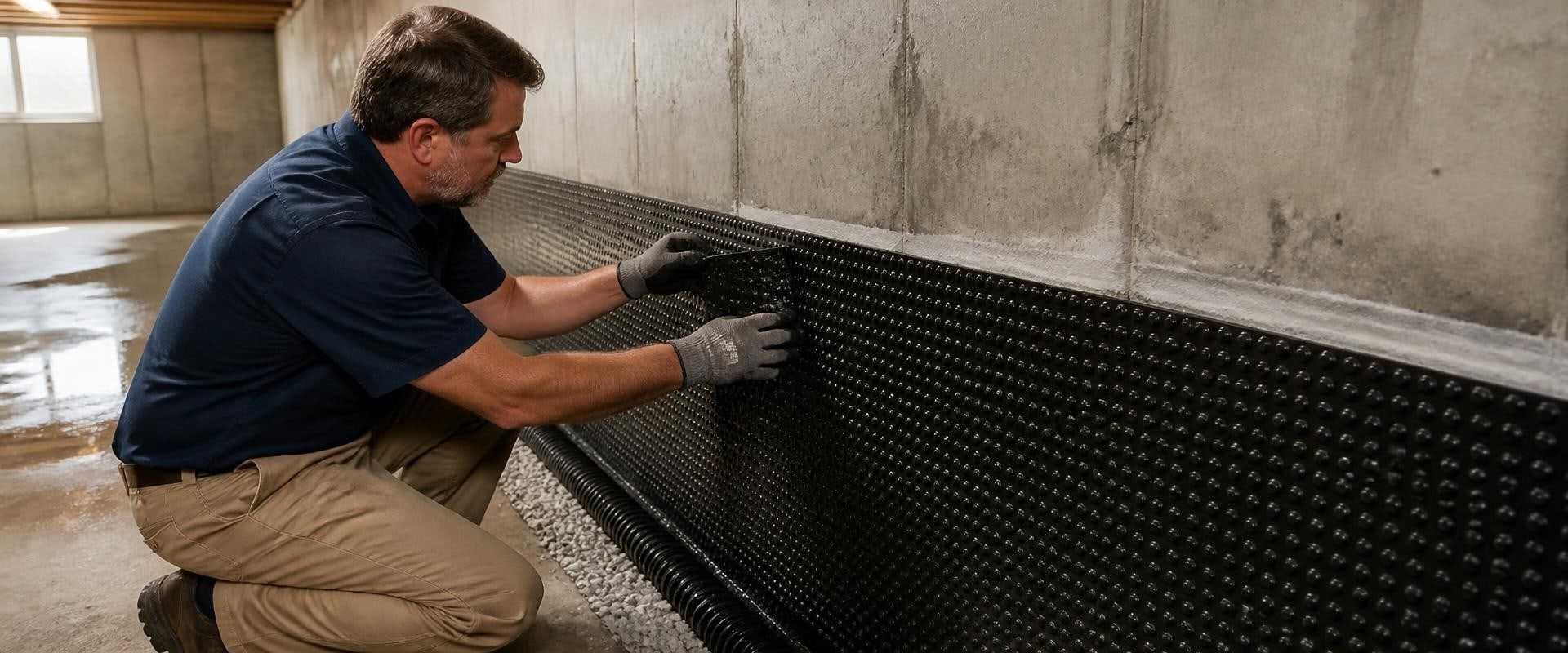
Basement waterproofing is a critical process that protects your home from water damage, mold growth, and structural issues. It involves various techniques and materials designed to prevent water from entering the basement, ensuring that this often-overlooked area remains dry and usable. Understanding basement waterproofing is essential for homeowners, especially in regions prone to heavy rainfall or flooding. By addressing potential water intrusion, you not only safeguard your property but also enhance its overall value. The importance of basement waterproofing cannot be overstated.
A damp basement can lead to a host of problems, including the development of mold and mildew, which can pose serious health risks to your family. Additionally, water damage can weaken the foundation of your home, leading to costly repairs down the line. By investing in effective waterproofing solutions, you are taking proactive steps to maintain a safe and healthy living environment. As you consider your options for basement waterproofing, it becomes clear that hiring a reliable contractor is paramount. A skilled professional will not only assess your specific needs but also recommend the most effective solutions tailored to your home’s unique challenges.
With the right contractor by your side, you can ensure that your basement remains a dry, functional space for years to come.
Signs You Need Basement Waterproofing
Recognizing the signs of basement leaks is crucial for homeowners who want to maintain a dry and healthy living environment. Ignoring these signs can lead to significant damage and costly repairs down the line. Here are some key indicators that suggest you may need basement waterproofing services:- Visible Water Stains: Look for brown or yellow stains on the walls or floor of your basement. These stains often indicate past or present water intrusion.
- Mold and Mildew: The presence of mold or mildew is a clear sign of excess moisture.
If you notice a musty smell or see mold growth, it’s time to consider waterproofing.
- Dampness or Wet Floors: If your basement feels damp or you find puddles of water, this is a strong indication that your basement is not adequately protected against moisture.
- Cracks in Walls or Floors: Structural cracks can allow water to seep in. If you see cracks, especially if they are widening, it’s essential to address them promptly.
- Efflorescence: This white, powdery substance on walls is a sign of moisture seeping through the foundation. It indicates that water is present and needs to be addressed.
- High Humidity Levels: If you use a hygrometer and find that humidity levels exceed 60%, it may be time to consider waterproofing solutions.
They can assess the situation and recommend appropriate solutions tailored to your specific needs.Addressing basement moisture problems early on not only protects your home but also enhances its overall value. A dry basement can be transformed into usable space, adding functionality and comfort to your home.
Researching Potential Contractors
Choosing a reliable basement waterproofing contractor is crucial to ensuring the longevity and safety of your home. The first step in this process is researching potential contractors thoroughly. Here are some effective strategies to help you find the right professional for your needs:- Online Research: Start by searching online for local basement waterproofing contractors.
Websites like Yelp, Angie's List, and Google Reviews can provide valuable insights into the experiences of previous customers. Look for contractors with high ratings and positive feedback.
- Referrals: Ask friends, family, or neighbors if they have had any experience with basement waterproofing contractors. Personal recommendations can lead you to trustworthy professionals who have proven their reliability.
- Check Credentials: Ensure that the contractors you consider are licensed and insured. This not only protects you but also indicates that they adhere to industry standards.
- Read Reviews: Take the time to read both positive and negative reviews.
Pay attention to how contractors respond to criticism; a professional who addresses concerns shows commitment to customer satisfaction.
- Request Estimates: Contact multiple contractors to request estimates. This will give you a sense of the market rate and help you identify any outliers who may be overcharging or underpricing their services.
A reliable contractor should be transparent about their processes and willing to answer all your questions.In summary, thorough research is essential when selecting a basement waterproofing contractor. By utilizing online resources, seeking referrals, checking credentials, reading reviews, and obtaining estimates, you can make an informed decision that will protect your home from water damage.
Evaluating Contractor Credentials
When selecting a basement waterproofing contractor, evaluating their credentials is crucial to ensure you receive quality service. Here are the key factors to consider:- Licensing: Always verify that the contractor holds the necessary licenses required by your state or local government. A licensed contractor demonstrates compliance with industry standards and regulations, which is essential for any waterproofing project.
- Insurance: Ensure that the contractor has both liability insurance and workers' compensation coverage.
This protects you from potential liabilities in case of accidents or damages during the project. Request proof of insurance and verify its validity before proceeding.
- Certifications: Look for contractors who have received certifications from reputable organizations in the waterproofing industry. These certifications often indicate that the contractor has undergone specialized training and adheres to best practices in basement waterproofing.
- Experience: Consider the contractor's experience in basement waterproofing specifically. Ask how long they have been in business and request references from previous clients.
A contractor with a solid track record is more likely to deliver satisfactory results.
Getting Estimates and Comparing Quotes
When it comes to basement waterproofing, obtaining estimates from multiple contractors is crucial for making an informed decision. Here’s how to effectively gather and compare quotes:1.Request Detailed Estimates
Start by reaching out to at least three different contractors. Ensure that each contractor provides a detailed estimate that includes:- Scope of Work: A clear outline of the services to be performed, including any necessary repairs or installations.
- Materials Used: Information on the types of materials that will be utilized, as this can significantly affect the overall cost and durability.
- Timeline: An estimated timeline for project completion, which helps you plan accordingly.
- Warranty Information: Details about warranties on both labor and materials, which can provide peace of mind.
2.Compare Costs and Services
Once you have the estimates, it’s time to compare them.Look beyond just the total cost; consider the following factors:
- Price Breakdown: Analyze how each contractor has structured their pricing. Are there hidden fees or additional costs?
- Quality of Materials: Cheaper estimates may use lower-quality materials, which could lead to more problems in the future.
- Experience and Reputation: Research each contractor’s background. A slightly higher price may be worth it for a contractor with a proven track record.
3.Ask Questions
If something in an estimate is unclear, don’t hesitate to ask questions. Understanding what you’re paying for is essential in avoiding unexpected costs later on.Inquire about:
- The methods they use for basement waterproofing.
- Their experience with similar projects.
- Their approach to potential issues that may arise during the job.
Questions to Ask Potential Contractors
Choosing the right basement waterproofing contractor is crucial for ensuring the longevity and effectiveness of your waterproofing solution. To make an informed decision, consider asking the following questions during your interviews with potential contractors:- What is your experience with basement waterproofing?
Inquire about their specific experience in basement waterproofing projects. A contractor with a proven track record in this area will be more familiar with the unique challenges and solutions. - Can you provide references from previous clients?
Requesting references allows you to gauge the contractor's reliability and quality of work. Reach out to past clients to ask about their experiences and satisfaction levels. - What methods do you use for waterproofing?
Understanding the techniques and materials they employ can help you assess whether their approach aligns with your needs.Look for contractors who use modern, effective methods.
- Are you licensed and insured?
Ensure that the contractor holds the necessary licenses and insurance. This protects you from liability in case of accidents or damages during the project. - What is your warranty policy?
A reliable contractor should offer a warranty on their work. Clarify what is covered and for how long, as this reflects their confidence in their services. - How do you handle unexpected issues during the project?
Discuss how they communicate and manage unforeseen problems. A good contractor should have a clear plan for addressing issues without significant delays.
Understanding Warranty and Service Agreements
When selecting a basement waterproofing contractor, understanding the warranty and service agreements they offer is crucial.These documents not only provide peace of mind but also serve as a safeguard against potential future issues that may arise after the waterproofing work is completed.
Importance of Warranties
- Coverage Duration: A reliable contractor should provide a warranty that clearly outlines the duration of coverage. Common warranties range from 5 to 25 years, depending on the materials used and the scope of work.
- Scope of Coverage: Ensure that the warranty covers both materials and labor. Some warranties may only cover specific aspects, leaving homeowners vulnerable to additional costs if problems occur.
- Transferability: If you plan to sell your home, check if the warranty is transferable to new owners. This can enhance your property's value and appeal.
Understanding Service Agreements
- Regular Maintenance: A good service agreement often includes provisions for regular maintenance checks.
This proactive approach can help identify potential issues before they escalate.
- Emergency Services: Look for contractors who offer emergency services as part of their agreement. This ensures that you have support in case of unexpected water intrusion.
- Clear Terms: Read through the service agreement carefully. It should clearly outline what services are included, response times for emergencies, and any additional costs that may arise.
Contractor Guarantees
A reputable basement waterproofing contractor will stand behind their work with guarantees that reflect their confidence in their services. Ask potential contractors about their guarantees and how they handle claims related to warranty issues.
A solid guarantee can be a strong indicator of a contractor's reliability and commitment to customer satisfaction.In summary, when evaluating basement waterproofing contractors, pay close attention to the warranties and service agreements they provide. These documents are essential for protecting your investment and ensuring long-term peace of mind regarding your home's safety from water damage.
Red Flags to Watch Out For
Choosing a reliable basement waterproofing contractor is crucial to ensuring the longevity and safety of your home. However, several red flags can indicate that a contractor may not be trustworthy or competent. Being aware of these warning signs can save you from poor service and costly mistakes.- Lack of Credentials: A reputable contractor should have the necessary licenses and insurance.
If they cannot provide proof of these credentials, consider it a significant red flag.
- Unclear Estimates: If a contractor provides vague or incomplete estimates without detailing the scope of work, it may indicate a lack of professionalism. Reliable contractors should offer transparent pricing and a clear breakdown of services.
- High-Pressure Sales Tactics: Be wary of contractors who pressure you into making quick decisions or upsell unnecessary services. A trustworthy contractor will give you time to consider your options.
- Poor Reviews and References: Always check online reviews and ask for references. If previous clients report negative experiences or if the contractor has a pattern of complaints, it’s best to look elsewhere.
- No Written Contract: A reliable contractor will always provide a written contract outlining the terms of service, including timelines and payment schedules.
If they refuse to do so, it’s a major warning sign.
- Limited Warranty: Quality waterproofing services should come with a warranty. If a contractor offers little to no warranty on their work, it may indicate they lack confidence in their services.
Finalizing Your Choice: Making the Decision
After thoroughly evaluating your options for basement waterproofing contractors, it’s time to finalize your choice. This decision-making process is crucial, as it can significantly impact the effectiveness of the waterproofing solution and the overall integrity of your home.1.Review Your Research
- Go over the notes you’ve taken during your research phase.
Consider the feedback from previous clients, the contractors’ credentials, and their experience in basement waterproofing.
- Compare quotes and services offered by each contractor. Ensure that you understand what is included in each estimate.
2.Trust Your Instincts
Your comfort level with a contractor is just as important as their qualifications. If you feel uneasy about a contractor or their proposal, it may be a sign to reconsider. Trust your instincts; a good working relationship is essential for a successful project.
3.Ask Final Questions
Before making your final decision, don’t hesitate to ask any lingering questions.
Inquire about:
- The timeline for the project completion.
- The warranty or guarantee on their work.
- The materials they plan to use and why they are the best choice for your specific situation.
4.Get Everything in Writing
Once you’ve chosen a contractor, ensure that all agreements are documented. This should include:
- The scope of work to be performed.
- The total cost and payment schedule.
- The start and completion dates.
- Any warranties or guarantees provided.
5.Prepare for the Project
Finally, prepare your home for the upcoming work. Clear out any items from the basement that may obstruct access, and communicate with your contractor about any specific concerns or requirements you have before they begin.By following these steps, you can confidently make an informed decision when selecting a reliable basement waterproofing contractor who meets your needs and expectations.
Conclusion: Key Takeaways for Homeowners
Choosing a reliable basement waterproofing contractor is crucial for protecting your home from water damage and ensuring the longevity of your basement. Here are the key takeaways to consider:- Research and Reviews: Start by researching potential contractors online.
Look for customer reviews and ratings on platforms like Google, Yelp, and the Better Business Bureau. Positive feedback from previous clients can provide insight into the contractor's reliability and quality of work.
- Experience Matters: Opt for contractors with extensive experience in basement waterproofing. An established company is likely to have encountered various challenges and developed effective solutions over time.
- Licensing and Insurance: Ensure that the contractor is properly licensed and insured. This protects you from liability in case of accidents during the project and guarantees that the contractor meets local regulations.
- Detailed Estimates: Request detailed estimates from multiple contractors.
A reliable contractor should provide a comprehensive breakdown of costs, including materials and labor, allowing you to compare services effectively.
- Warranty and Follow-Up Services: Inquire about warranties on both materials and workmanship. A trustworthy contractor will stand behind their work and offer follow-up services if issues arise after completion.
- Communication: Pay attention to how well the contractor communicates. A good contractor should be responsive, willing to answer your questions, and provide clear explanations about the waterproofing process.