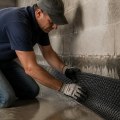
Basement waterproofing is a crucial aspect of home maintenance that often goes overlooked. It involves various techniques and materials designed to prevent water from entering the basement, which can lead to significant structural damage and health issues. The necessity of basement waterproofing becomes evident when considering the potential consequences of water intrusion, such as mold growth, wood rot, and compromised foundation integrity. Homeowners must recognize that investing in waterproofing solutions not only protects their property but also enhances its overall value. As we delve deeper into the topic, it’s essential to understand the environmental impacts associated with basement waterproofing.
While the primary goal is to safeguard homes from water damage, the methods employed can have varying effects on the surrounding ecosystem. For instance, traditional waterproofing methods may involve the use of chemical sealants that could potentially leach into the soil and groundwater, raising concerns about environmental safety. Moreover, the importance of waterproofing extends beyond mere property protection; it plays a vital role in promoting sustainable living practices. By preventing water damage, homeowners can reduce their reliance on energy-intensive repairs and minimize waste generated from damaged materials. This section sets the stage for a comprehensive exploration of how basement waterproofing not only benefits individual homes but also contributes to broader environmental considerations.
What is Basement Waterproofing?
Basement waterproofing is a crucial process aimed at preventing water intrusion in below-grade spaces, ensuring that basements remain dry and usable.This practice not only protects the structural integrity of a home but also enhances indoor air quality by reducing mold and mildew growth.There are several types of basement waterproofing methods, each tailored to specific needs and conditions:
- Interior Waterproofing: This method involves applying sealants or coatings to the interior walls and floors of the basement. It is often used to manage minor leaks and moisture issues. Interior waterproofing is typically less invasive and can be a cost-effective solution for homeowners.
- Exterior Waterproofing: This approach requires excavation around the foundation to apply waterproof membranes or coatings directly to the exterior walls. It is more effective for preventing water from entering the basement in the first place, making it ideal for homes in areas with high groundwater levels.
- Drainage Systems: Both interior and exterior methods may incorporate drainage systems, such as French drains or sump pumps, to redirect water away from the foundation.
These systems are essential for managing water flow and preventing accumulation.
The Environmental Benefits of Basement Waterproofing
Basement waterproofing is not just a solution for preventing water damage; it also offers significant environmental benefits that contribute to a more sustainable living environment. By effectively managing moisture levels, homeowners can enhance their energy efficiency and reduce their overall environmental footprint.Energy Efficiency
- One of the primary advantages of basement waterproofing is its ability to improve energy efficiency. When basements are properly sealed and insulated, they help maintain a consistent temperature throughout the home.
This reduces the need for excessive heating in winter and cooling in summer, leading to lower energy consumption.
- By minimizing drafts and moisture infiltration, waterproofed basements allow HVAC systems to operate more efficiently, which can significantly decrease energy bills and reduce greenhouse gas emissions associated with energy production.
Moisture Control
- Effective basement waterproofing plays a crucial role in moisture control. Excess moisture in basements can lead to mold growth, which not only poses health risks but also contributes to indoor air pollution. By preventing water intrusion, homeowners can create a healthier living environment.
- Moreover, controlling moisture levels helps protect the structural integrity of the home. This reduces the need for repairs and renovations that often require resource-intensive materials, further minimizing environmental impact.
By enhancing energy efficiency and controlling moisture, homeowners can significantly reduce their environmental footprint while enjoying a healthier living space.
Potential Negative Environmental Impacts of Basement Waterproofing
While basement waterproofing is essential for protecting homes from water damage, it can also have potential negative environmental impacts that warrant consideration. One of the primary concerns is the use of chemical materials in waterproofing products, which can lead to chemical runoff.When waterproofing agents are applied, they often contain various chemicals designed to repel water and prevent mold growth. However, if these substances are not properly contained or if they degrade over time, they can leach into the surrounding soil and waterways. This chemical runoff can contaminate local ecosystems, harming aquatic life and disrupting natural habitats.Impact on Local Ecosystems
The introduction of harmful chemicals into the environment can have cascading effects on local ecosystems.For instance:
- Toxicity to Wildlife: Chemicals may be toxic to fish and other aquatic organisms, leading to decreased populations and biodiversity.
- Soil Degradation: Runoff can alter soil chemistry, affecting plant growth and the health of terrestrial ecosystems.
- Water Quality Issues: Contaminated runoff can lead to poor water quality in nearby streams and rivers, impacting drinking water sources.
Sustainable Practices in Basement Waterproofing
As the demand for basement waterproofing solutions grows, so does the need for sustainable practices that minimize environmental impact.Homeowners and contractors alike are increasingly recognizing the importance of using eco-friendly materials and methods in their waterproofing projects.
Eco-Friendly Materials
- Natural Sealants: Many traditional sealants contain harmful chemicals that can leach into the environment. Opting for natural sealants made from plant-based ingredients can significantly reduce this risk.
- Recycled Materials: Utilizing recycled products, such as reclaimed wood or recycled rubber membranes, not only helps in reducing waste but also promotes a circular economy.
- Low-VOC Products: Volatile Organic Compounds (VOCs) can contribute to indoor air pollution. Choosing low-VOC paints and sealants ensures a healthier living environment while still providing effective waterproofing.
Green Practices
- Rainwater Harvesting: Incorporating systems that collect rainwater can help manage water runoff and reduce the burden on municipal drainage systems, making it a sustainable addition to basement waterproofing.
- Proper Drainage Solutions: Installing effective drainage systems, such as French drains or sump pumps, can prevent water accumulation and reduce the need for chemical treatments.
- Energy-Efficient Insulation: Using insulation materials that are both energy-efficient and moisture-resistant can enhance the overall sustainability of basement waterproofing efforts.
FAQs About Basement Waterproofing and Its Environmental Impact
When considering basement waterproofing, many homeowners have questions about its potential environmental impacts.Here are some frequently asked questions that can help clarify these concerns:
- Does basement waterproofing harm the environment?
Generally, basement waterproofing methods are designed to protect your home from water damage without causing significant harm to the environment. However, the materials used in some waterproofing systems can have varying degrees of environmental impact. It’s essential to choose eco-friendly products whenever possible. - What materials are commonly used in basement waterproofing?
Common materials include sealants, membranes, and drainage systems. Many modern products are formulated to be less harmful to the environment, utilizing water-based solutions and sustainable practices. - Can basement waterproofing affect local water tables?
In some cases, improper installation of waterproofing systems can redirect groundwater flow, potentially impacting local water tables.It’s crucial to work with professionals who understand local hydrology and can ensure that your waterproofing solution does not negatively affect the surrounding ecosystem.
- Are there any long-term environmental benefits to basement waterproofing?
Yes! By preventing water damage, basement waterproofing can extend the life of your home and reduce the need for repairs that may involve environmentally harmful practices. Additionally, a dry basement can improve indoor air quality by reducing mold and mildew growth.
Conclusion: Balancing Waterproofing Needs with Environmental Responsibility
In conclusion, basement waterproofing is a critical aspect of maintaining the integrity and safety of homes, particularly in areas prone to moisture and flooding. However, as we have explored throughout this article, the methods and materials used in waterproofing can have significant environmental impacts.To summarize, the key points regarding the environmental impacts of basement waterproofing include:- Material Selection: The choice of waterproofing materials can affect local ecosystems.
For instance, some chemical sealants may leach harmful substances into the soil and groundwater.
- Energy Consumption: The installation process often requires energy-intensive machinery, contributing to carbon emissions.
- Water Management: Effective waterproofing can lead to changes in natural water drainage patterns, potentially causing issues for neighboring properties.
- Natural sealants that are less harmful to the environment.
- Green drainage systems that promote natural water flow.
- Energy-efficient installation techniques that reduce overall carbon footprints.
As we reflect on these considerations, it becomes clear that responsible waterproofing is not just a matter of home maintenance; it is a commitment to a sustainable future.