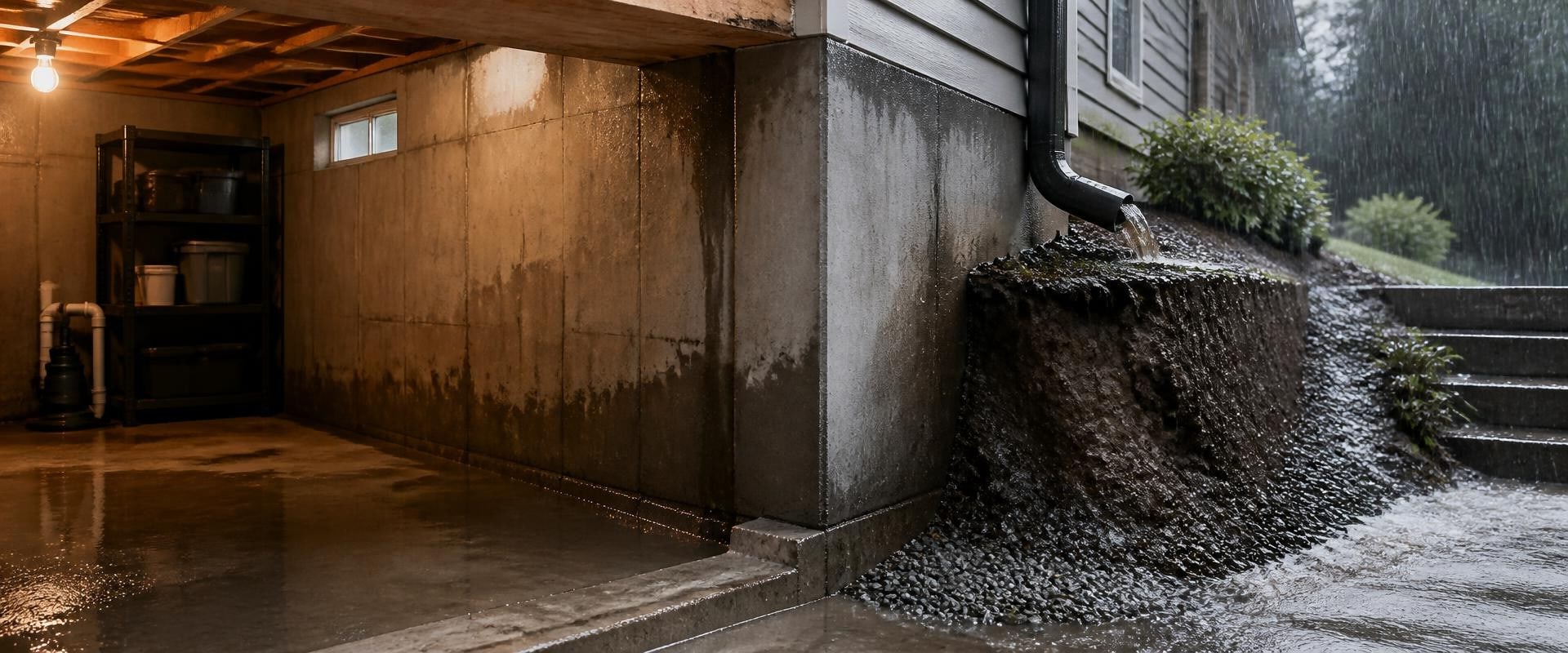
Basement waterproofing is a critical aspect of home maintenance that often goes overlooked until problems arise. This process involves implementing various techniques and materials to prevent water from entering the basement, ensuring that this vital area of the home remains dry and structurally sound. With the increasing frequency of extreme weather events, particularly heavy rainfall, understanding the importance of basement waterproofing has never been more essential. Heavy rainfall can have devastating effects on homes, especially those with inadequate waterproofing systems. When rainwater accumulates around the foundation, it can lead to significant issues such as mold growth, structural damage, and compromised air quality.
These problems not only affect the integrity of the home but can also pose health risks to its occupants. Therefore, investing in effective waterproofing solutions is crucial for safeguarding your property against the relentless forces of nature. As we delve deeper into this topic, we will explore how heavy rainfall specifically impacts basement waterproofing systems and what homeowners can do to enhance their defenses against water intrusion. Understanding these dynamics is vital for anyone looking to protect their investment and maintain a safe living environment.
The Basics of Basement Waterproofing
Basement waterproofing is a crucial process designed to prevent water from entering the basement of a building. This is particularly important in areas prone to heavy rainfall, as excess moisture can lead to significant structural damage and mold growth.Understanding the basics of basement waterproofing helps homeowners make informed decisions about protecting their properties.There are several types of waterproofing methods available, each suited for different situations and levels of moisture exposure:
- Interior Waterproofing: This method involves applying sealants or coatings on the interior walls and floors of the basement. It is effective for managing minor leaks and moisture.
- Exterior Waterproofing: This approach requires excavation around the foundation to apply waterproof membranes. It is more effective for preventing water intrusion from heavy rainfall.
- Drainage Systems: Installing a sump pump or French drain can help redirect water away from the basement, reducing the risk of flooding during heavy rain.
- Cementitious Waterproofing: A mixture that creates a barrier against water when applied to surfaces.
- Liquid Rubber: A flexible coating that can expand and contract with temperature changes, providing a durable seal.
- Bentonite Clay: Often used in exterior applications, this natural material swells when wet, creating a waterproof barrier.
Properly implemented waterproofing measures can significantly mitigate the risks associated with excessive moisture and protect your home from potential damage.
How Heavy Rainfall Affects Basement Waterproofing Systems
Heavy rainfall can significantly impact basement waterproofing systems, leading to various complications that homeowners must be aware of. When rain falls in excessive amounts, the ground surrounding a home becomes saturated, increasing the likelihood of water intrusion into basements.Water Intrusion Scenarios
- Overwhelmed Drainage Systems: Many waterproofing systems rely on drainage solutions such as sump pumps and French drains. During heavy rainfall, these systems can become overwhelmed, leading to potential failures and allowing water to seep into the basement.
- Hydrostatic Pressure: As the soil around the foundation absorbs more water, it creates hydrostatic pressure against the basement walls. This pressure can force water through cracks and joints, resulting in leaks and flooding.
- Clogged Gutters and Downspouts: If gutters and downspouts are not properly maintained, they can become clogged during heavy rains.
This can cause water to overflow and pool around the foundation, increasing the risk of water intrusion.
Potential Failures in Waterproofing Systems
- Cracks in Foundation: Heavy rainfall can exacerbate existing cracks in the foundation or create new ones, providing pathways for water to enter.
- Sealant Breakdown: Waterproof sealants may degrade over time, especially under constant exposure to moisture. Heavy rains can accelerate this breakdown, compromising the integrity of the waterproofing system.
- Poor Installation: If a waterproofing system is not installed correctly, it may fail under extreme weather conditions. Heavy rainfall can reveal these deficiencies, leading to significant water damage.
Common Problems Caused by Heavy Rainfall
Heavy rainfall can lead to a multitude of problems in basements, primarily due to inadequate basement waterproofing.When rainwater accumulates around the foundation of a home, it can seep into the basement, causing significant water damage.One of the most immediate effects of heavy rainfall is the risk of flooding. Water can enter through cracks in the walls or floors, or even through window wells that are not properly sealed. This influx of water can damage personal belongings, electrical systems, and even the structural integrity of the home. In addition to flooding, prolonged exposure to moisture creates an ideal environment for mold growth. Mold thrives in damp conditions and can begin to develop within 24 to 48 hours after water intrusion.
Not only does mold damage building materials, but it also poses serious health risks to occupants, including respiratory issues and allergic reactions. Another critical concern is structural damage. Excessive moisture can weaken the foundation over time, leading to cracks and shifts that compromise the stability of the entire structure. This type of damage often requires costly repairs and can significantly decrease property value. To mitigate these issues, effective basement waterproofing solutions are essential. Homeowners should consider installing sump pumps, improving drainage systems, and sealing any cracks or openings in their basements.
Regular maintenance and inspections can also help identify potential problems before they escalate. In summary, heavy rainfall can lead to severe consequences for basements if proper waterproofing measures are not in place. Addressing these common problems proactively is crucial for maintaining a safe and dry living environment.
Preventative Measures for Effective Basement Waterproofing
To ensure effective basement waterproofing, especially in areas prone to heavy rainfall, homeowners should adopt a proactive approach. Here are some preventative measures and maintenance tips that can significantly enhance your waterproofing systems:- Regular Inspections: Conduct routine inspections of your basement and surrounding areas. Look for cracks in the walls or foundation, signs of moisture, and any potential drainage issues.
- Maintain Gutters and Downspouts: Ensure that gutters are clean and free of debris.
Downspouts should direct water at least 6 feet away from the foundation to prevent pooling around the basement.
- Install a Sump Pump: A sump pump can be a lifesaver during heavy rainfall. It helps to remove excess water that accumulates in the basement, reducing the risk of flooding.
- Improve Grading: The landscape around your home should slope away from the foundation. This grading helps to divert rainwater away from your basement walls.
- Seal Cracks and Joints: Use high-quality sealants to fill any cracks or joints in your basement walls and floors. This prevents water from seeping through during heavy rains.
- Install a French Drain: A French drain system can effectively redirect water away from your basement.
It collects excess water and channels it away from the foundation.
- Check for Mold and Mildew: Regularly inspect for mold or mildew growth, which can indicate moisture problems. Address any issues promptly to maintain a healthy environment.
- Monitor Humidity Levels: Use a dehumidifier to keep humidity levels in check, especially during wet seasons. This helps prevent condensation and dampness in the basement.
- Upgrade Waterproofing Systems: If your current system is outdated or ineffective, consider upgrading to more advanced solutions such as interior drainage systems or exterior waterproofing membranes.
Signs Your Basement Waterproofing Needs Attention After Heavy Rainfall
After experiencing heavy rainfall, it’s crucial for homeowners to assess the condition of their basement waterproofing system.Ignoring potential signs of failure can lead to significant damage and costly repairs. Here are some key indicators that your basement waterproofing may need immediate attention:
- Visible Water Intrusion: One of the most obvious signs is the presence of water pooling or seeping into your basement. Look for damp spots on walls or floors, as well as any signs of mold or mildew.
- Musty Odors: A persistent musty smell in your basement can indicate trapped moisture, which often points to a failure in your waterproofing system.
- Cracks in Walls or Floors: Inspect your basement for cracks in the foundation walls or floor. These cracks can allow water to enter and may worsen after heavy rains.
- Efflorescence: This white, powdery substance on walls is a sign of moisture seeping through the foundation.
It indicates that water is present and could be compromising your waterproofing.
- Check all corners and edges where walls meet the floor.
- Look behind furniture and appliances for hidden moisture.
- Inspect window wells and drainage systems for blockages.
FAQs About Basement Waterproofing and Heavy Rainfall
When it comes to basement waterproofing, heavy rainfall can raise several concerns for homeowners.Below are some frequently asked questions that address these issues:
- How does heavy rainfall affect basement waterproofing?
Heavy rainfall can overwhelm existing waterproofing systems, especially if they are not properly installed or maintained. Water can seep through cracks in the foundation or around windows, leading to potential flooding and water damage. - What are the signs that my basement is not properly waterproofed?
Common signs include damp walls, musty odors, mold growth, and visible water pooling in the basement. If you notice any of these issues after a heavy rain, it may indicate that your basement waterproofing system needs attention. - Can I waterproof my basement myself?
While some homeowners may attempt DIY waterproofing solutions, it is often best to consult with professionals. They can assess your specific situation and recommend the most effective methods for your home. - What preventative measures can I take before heavy rainfall?
To prepare for heavy rain, ensure that gutters and downspouts are clear and directing water away from the foundation.Additionally, consider installing a sump pump or improving drainage around your property to minimize water intrusion.
- Is it too late to waterproof my basement after heavy rainfall?
No, it’s never too late to improve your basement waterproofing. However, addressing any existing water damage should be a priority before implementing new waterproofing measures.
Conclusion: Ensuring Your Basement Stays Dry During Heavy Rainfall
In conclusion, the impact of heavy rainfall on basement waterproofing cannot be overstated. As we have explored, excessive rain can lead to significant challenges for homeowners, particularly in areas prone to flooding or poor drainage. It is crucial to recognize that a well-maintained waterproofing system is your first line of defense against water intrusion.To ensure your basement remains dry during heavy rainfall, consider the following key points:- Regular Inspections: Schedule routine inspections of your basement waterproofing system to identify any potential weaknesses or areas that may require repair.
- Proper Drainage: Ensure that gutters and downspouts are functioning correctly and directing water away from your foundation.
This can significantly reduce the risk of water pooling around your basement.
- Seal Cracks and Gaps: Address any visible cracks in walls or floors promptly. Even small openings can allow moisture to seep in during heavy rains.
- Invest in Quality Materials: When installing or upgrading your waterproofing system, choose high-quality materials designed to withstand extreme weather conditions.