When it comes to maintaining a healthy home environment, basement waterproofing plays a crucial role that often goes overlooked. Many homeowners underestimate the impact of moisture in their basements, yet it can lead to significant issues such as mold growth, structural damage, and even health problems. Understanding the importance of waterproofing your basement is essential for safeguarding your property and ensuring a safe living space. The basement is typically the most vulnerable area of a home when it comes to water intrusion. Factors such as heavy rainfall, rising groundwater levels, and even humidity can contribute to moisture buildup.
Without proper basement moisture control, these conditions can create an environment ripe for mold and mildew, which not only damages your belongings but can also pose serious health risks to you and your family. Investing in effective basement waterproofing solutions not only protects your home from potential water damage but also enhances its overall value. A dry basement can be transformed into a functional space for storage, recreation, or even additional living areas. By prioritizing waterproofing measures, homeowners can enjoy peace of mind knowing they are taking proactive steps to maintain their property’s integrity and their family's well-being.
What is Humidity and How is it Measured?
Humidity refers to the amount of water vapor present in the air. It plays a significant role in various environmental and indoor conditions, particularly in spaces like basements where moisture control is crucial for basement waterproofing.Understanding humidity is essential for homeowners looking to maintain a dry and healthy basement.
Types of Humidity
- Absolute Humidity: This measures the actual amount of water vapor in the air, expressed in grams per cubic meter (g/m³). It provides a direct indication of moisture content, regardless of temperature.
- Relative Humidity: This is a more commonly used measure that expresses the current amount of moisture in the air as a percentage of the maximum amount of moisture the air can hold at that temperature. For example, a relative humidity of 60% means the air is holding 60% of its total moisture capacity.
Measuring Humidity
Humidity levels can be measured using various instruments, with the most common being:- Hygrometers: These devices are specifically designed to measure humidity. They can be analog or digital and provide readings for both absolute and relative humidity.
- Psychrometers: This type of hygrometer uses two thermometers—one dry and one wet—to calculate relative humidity based on the difference in temperature readings.
High humidity can lead to condensation, mold growth, and structural damage, making it imperative to monitor these levels regularly. By keeping an eye on humidity, homeowners can take proactive steps to ensure their basements remain dry and protected from moisture-related issues.
The Relationship Between Humidity and Basement Conditions
Humidity plays a crucial role in determining the overall conditions of a basement. High levels of humidity can lead to increased moisture, which significantly impacts basement waterproofing efforts. When the air in a basement is saturated with moisture, it creates an environment conducive to various problems, including mold growth and structural damage.Moisture levels
in basements are often exacerbated by external factors such as rainfall, snowmelt, and even groundwater levels.When humidity rises, the air can hold more moisture, which can seep into the basement through cracks and porous materials. This infiltration not only compromises the integrity of the waterproofing systems but also affects the air quality within the space.
The Impact of Humidity on Air Quality
High humidity levels can lead to poor air quality in basements. As moisture accumulates, it creates a breeding ground for mold and mildew, which can release spores into the air. These spores can cause respiratory issues and other health problems for occupants.Therefore, maintaining optimal humidity levels is essential for both basement conditions and overall health.
Monitoring Humidity Levels
To effectively manage humidity in basements, homeowners should consider using a hygrometer to monitor moisture levels regularly. Ideally, indoor humidity should be kept between 30% and 50%. If readings exceed this range, it may be necessary to implement dehumidifiers or improve ventilation to mitigate excess moisture.In conclusion, understanding the relationship between humidity and basement conditions is vital for successful basement waterproofing. By actively monitoring and managing humidity levels, homeowners can protect their basements from moisture-related issues and ensure a healthier living environment.How Humidity Affects Basement Waterproofing Methods
Understanding how humidity impacts basement waterproofing is crucial for selecting the most effective methods.High humidity levels can significantly influence the performance of various waterproofing techniques, making it essential to consider environmental conditions when planning your basement protection strategy.There are two primary categories of basement waterproofing methods: interior and exterior. Each has its advantages and disadvantages, particularly in relation to humidity.
Interior Waterproofing Methods
- Sealants: These are applied to walls and floors to prevent moisture penetration. However, in high humidity environments, sealants may struggle to adhere properly, leading to potential failures.
- Sump Pumps: Effective in managing water accumulation, but their efficiency can be compromised if the surrounding air is saturated with moisture, as this can lead to increased water table levels.
- Dehumidifiers: While not a waterproofing method per se, they play a vital role in maintaining lower humidity levels, thus enhancing the effectiveness of other interior waterproofing solutions.
Exterior Waterproofing Methods
- Drainage Systems: These systems are designed to redirect water away from the foundation. High humidity can lead to increased soil saturation, which may overwhelm these systems if not properly designed.
- Waterproof Membranes: Applied on the exterior walls, these membranes can be highly effective; however, if moisture levels are too high during installation, they may not bond correctly.
- Grading and Landscaping: Proper grading helps divert water away from the foundation.
In humid climates, maintaining this grading is crucial as heavy rains can quickly saturate the soil.
Signs of Humidity Issues in Your Basement
Identifying the signs of humidity in your basement is crucial for maintaining a healthy living environment and ensuring effective basement waterproofing.High humidity levels can lead to various problems, including structural damage and health risks. Here are some common indicators that your basement may be experiencing humidity issues:
- Musty Odors: One of the first signs of high humidity is a persistent musty smell. This odor often indicates the presence of mold or mildew, which thrive in damp conditions.
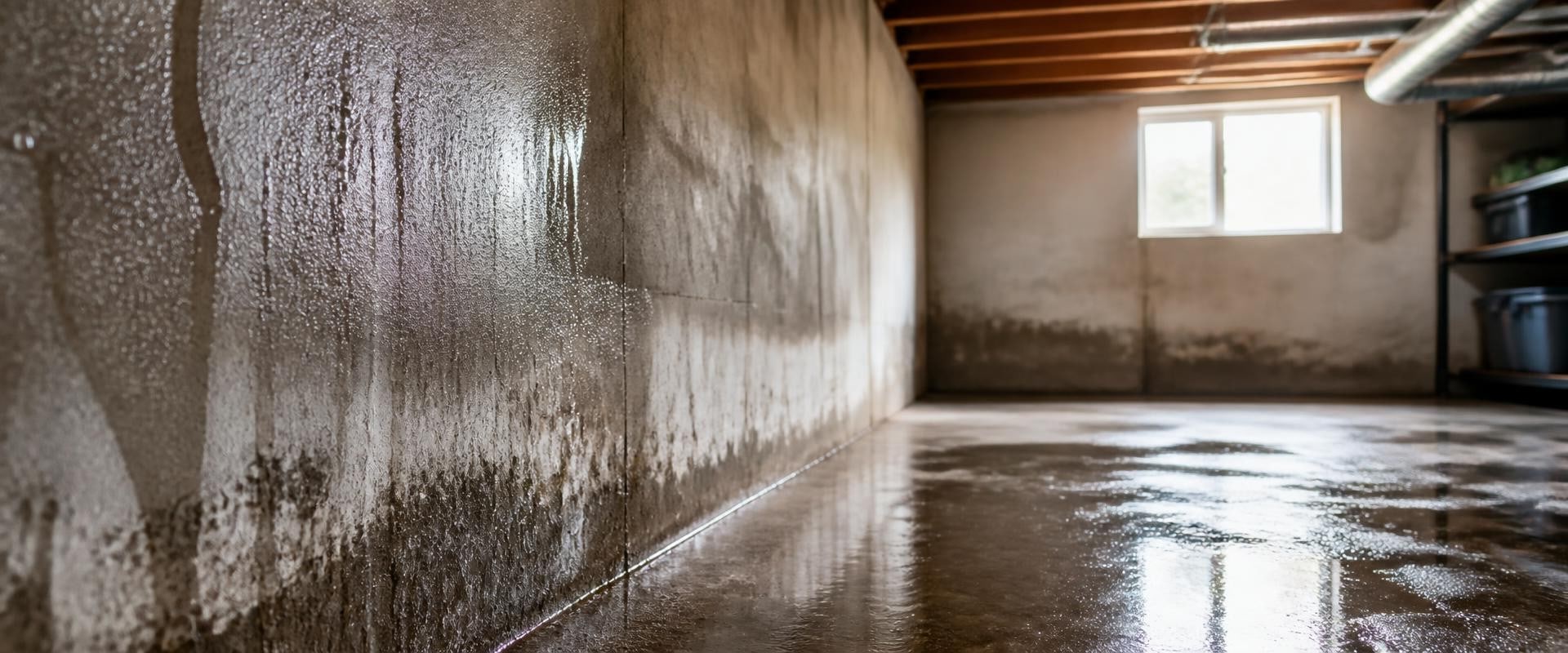
- Condensation: If you notice water droplets forming on walls, windows, or pipes, this is a clear sign of excess moisture in the air. Condensation occurs when warm, humid air comes into contact with cooler surfaces.
- Visible Mold Growth: Mold can appear as dark spots or patches on walls, ceilings, and floors.
If you see any signs of mold, it’s essential to address the underlying humidity issue immediately.
- Peeling Paint or Wallpaper: High humidity can cause paint and wallpaper to peel or bubble. This not only affects the aesthetics of your basement but also indicates moisture problems that need to be resolved.
- Dampness on Surfaces: If you feel dampness on the floor or walls, it’s a strong indication that your basement is retaining moisture. This can lead to more severe issues if not addressed promptly.
Preventative Measures for Managing Humidity in Basements
Managing humidity in basements is crucial for effective basement waterproofing.High humidity levels can lead to moisture accumulation, which undermines waterproofing efforts and promotes mold growth. Here are some practical tips and strategies to control humidity:
- Ventilation Solutions: Proper ventilation is essential for reducing humidity. Consider installing ventilation fans or air exchangers that can help circulate air and expel moist air from the basement. Ensure that any vents are unobstructed and regularly maintained.
- Dehumidifiers: A dehumidifier can be a powerful tool in managing basement moisture.
Choose a unit that is appropriately sized for your space and run it consistently, especially during humid months. Regularly empty the water reservoir or opt for a model that drains automatically.
- Insulation Techniques: Insulating walls and pipes can help prevent condensation, which contributes to humidity. Use materials designed for basements, such as foam board insulation, which can resist moisture better than traditional insulation.
- Seal Cracks and Gaps: Inspect your basement for any cracks or gaps in walls and floors. Sealing these with appropriate waterproof sealants can prevent outside moisture from entering and reduce overall humidity levels.
- Landscaping Adjustments: Ensure that the landscaping around your home directs water away from the foundation.
Proper grading and the installation of gutters and downspouts can significantly reduce moisture infiltration into your basement.
FAQs About Humidity and Basement Waterproofing
Understanding the impact of humidity on basement waterproofing is crucial for homeowners looking to protect their properties. Here are some frequently asked questions that can help clarify this relationship:- How does humidity affect my basement?
High humidity levels can lead to condensation, which may cause mold growth and structural damage. This moisture can seep into walls and floors, undermining the effectiveness of your waterproofing measures. - What humidity level is considered too high for basements?
Generally, a humidity level above 60% is considered problematic for basements. Maintaining lower humidity levels can help prevent moisture-related issues. - Can basement waterproofing systems handle high humidity?
While many basement waterproofing systems are designed to manage moisture, they may struggle in extremely humid conditions.It's essential to combine waterproofing with proper ventilation and dehumidification strategies.
- What are the signs of humidity problems in my basement?
Look for signs such as damp spots on walls, musty odors, or visible mold. These indicators suggest that humidity levels are too high and may compromise your waterproofing efforts. - How can I reduce humidity in my basement?
Consider using a dehumidifier, improving ventilation, sealing cracks in walls and floors, and ensuring proper drainage around your home to keep humidity levels in check.
Conclusion: The Key Takeaways on Humidity and Basement Waterproofing
In conclusion, understanding the relationship between humidity and basement waterproofing is crucial for maintaining a dry and healthy home environment. High humidity levels can significantly impact the effectiveness of waterproofing measures, leading to potential issues such as mold growth, structural damage, and increased repair costs.Here are the key takeaways regarding humidity's effect on basement waterproofing:- Humidity Levels Matter: Regularly monitor indoor humidity levels.
Ideally, they should be kept between 30% and 50% to prevent moisture-related problems.
- Proper Ventilation: Ensure adequate ventilation in your basement. This can help reduce humidity levels and improve air circulation, making your waterproofing efforts more effective.
- Quality Waterproofing Solutions: Invest in high-quality waterproofing materials and techniques. This includes sealants, drainage systems, and sump pumps that can withstand varying humidity conditions.
- Regular Maintenance: Conduct routine inspections of your basement waterproofing systems. Look for signs of wear or failure that could be exacerbated by high humidity.
- Mold Prevention: Take proactive steps to prevent mold growth by using dehumidifiers and ensuring that any leaks are promptly addressed.
Effective basement waterproofing not only protects your property but also contributes to a healthier living space for you and your family.